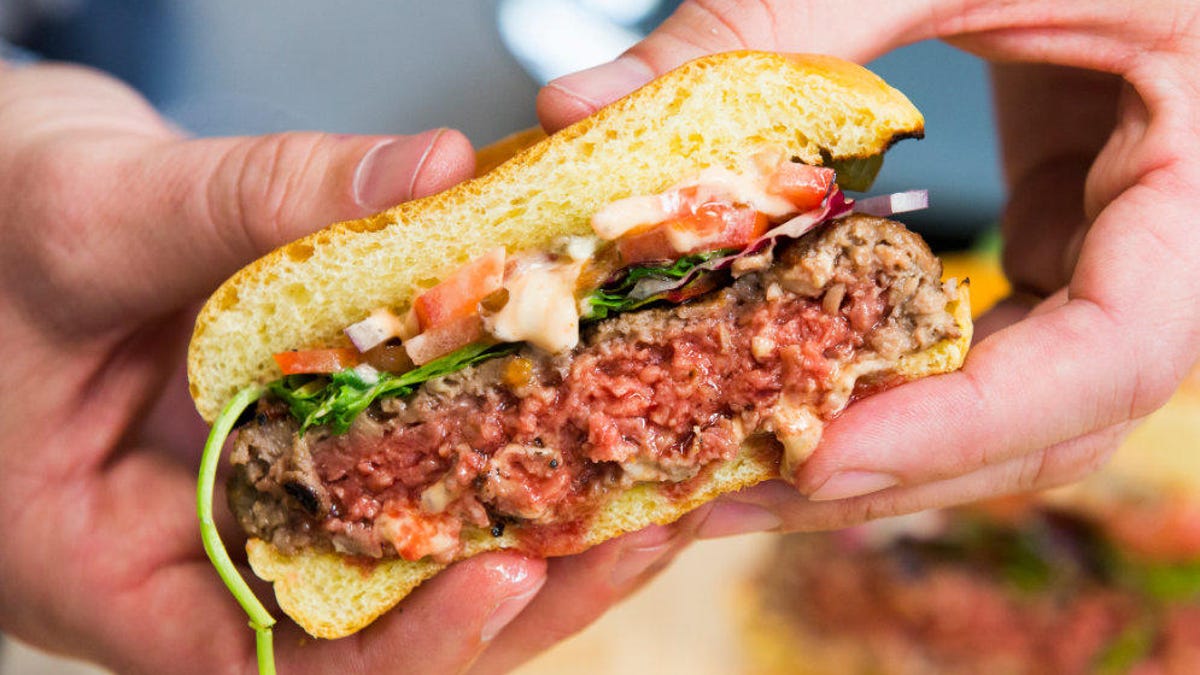
As far as "processing" goes.....my extremely hot take:
Companies like Whole Foods have made a fortune by tricking people into thinking that "processed" food is inherently bad, in the same way that they have convinced people that "chemicals" are inherently bad. But in reality, literally everything is a chemical - and in reality, literally all food is processed.
And I mean literally literally. Your body cannot use unprocessed food - so even if you insist on eating, say, raw vegetables, your body will just process them for you by grinding, macerating, and chemically treating them. The whole point of this is, your body doesn't want a fresh organic apricot; what it wants - for example - is a molecule of vitamin B3 (or C6H5NO2 if you wanna be nerdy), and it doesn't particularly care whether it came from an apricot or a can of tuna - it wouldn't be able to tell them apart in any case. The processing the tuna goes through doesn't change the B3 into something different from the B3 that came from the unprocessed apricot.
So I guess one obvious question is, if the body processes food already, why bother to do any kind of processing at all ahead of time? The answer is "because we can", because it doesn't necessarily harm the food, and because processing creates variety which makes food better. There are some foods we eat, like potatoes for instance, that most people can't (or won't) eat without some kind of processing - I mean at the very least you have to boil or bake them or something. Other kinds of food only exist as a processed version of something else - like cheese, which even in its most primitive, rudimentary form is highly processed milk with additives thrown in, which btw is what makes it so funny to me when people sneer about "processed" cheese compared to "natural" cheese. Just because it's bacteria that's doing the processing doesn't make it different or more "natural" - we add that bacteria to it in order to get the kind of cheese we want, there's nothing natural about it. Same thing with grain - we could just eat dry cut and rolled wheat, but that would kind of suck; a little bit of processing lets us eat bread instead. Even more processing gives us cookies and pasta noodles and ale, and OMG suddenly wheat is so much more awesome. Processing isn't inherently bad.
What you need to look out for isn't whether the food is "processed", it's what exactly is added. Additives and preservatives aren't inherently bad either, even if they have scary-sounding chemical names (which is again how places like Whole Foods have conditioned you to recognize "bad" additives); but some specific ones definitely aren't great. The biggest problem-additive by far is SUGAR.
ALL KINDS of sugar, not just HFCS - that's just the cheapest and most widely-used kind. Trust food scientists telling you you need to cut back on sugar; don't trust sugar growers that you need to replace HFCS with "natural cane sugar" or some other kind of sugar; it's no better.
Sugar shouldn't be bad for you - the body actually needs a certain amount of it. But so much of it is put in our food, and that's a problem because the body stores ALL sugar. You can eat an excess of, say, vitamin D - your body only needs so much of that too, but consuming more than that (as long as it's not so much that you're actually poisoned) is fine because your body just excretes what it can't immediately use. Not so with sugar - the body automatically stores sugar that it can't immediately use, like the world's most compulsive and self-destructive hoarder, and that adds up to bad news eventually.
That all that sugar is put into food isn't some big conspiracy to get us hooked, by the way. It's much simpler than that - sugar makes most things taste better to the body, so average people while blind taste-testing products will usually prefer the one that's got some sugar added; and food companies are fairly pragmatic, they will sell whatever people are buying. The good side of that is that if people stop buying or start demanding less sugar, food companies WILL change to accommodate that. They slowly are; even soda companies, whose original product could basically be called "sugar with some flavorant", have been making and marketing sugarless alternatives to match demand. The big enemy here is the corn-farming lobby, who will fight tooth-and-nail to preserve HFCS dominance, and to a lesser extent the sugarcane-farming lobby, who are keen on spinning the issue as a corn problem rather than a sugar problem and aim to profit from doing so.