With Brexit, we shouldn't forget the effect of years of lies and misinformation about the EU from the right-wing press.
Even if you don't read the Mail, the Express and the Sun, for the last 30-odd years you've not been able to enter a newsagent's, a corner shop or a supermarket without seeing a load of anti-EU headlines several times a month, at least, and that kind of constant drip-drip-drip of propaganda must have an effect.
Similarly, in the interests of political balance, the BBC used to invite UKIP MEPs onto political panel shows far more frequently than MEPs from other parties, which meant that we never got a balanced picture of the work of the European Parliament.
And the referendum campaign itself was just dreadful -- Leave came out with lie after lie after lie about the benefits of leaving the EU.
Furthermore, the Leave vote in many areas wasn't a vote for nostalgia or the past. Rather, it was a vote for change, against the ruling economic consensus, which really wasn't doing anything for those areas that used to be the old industrial Labour heartlands.
"Leave" offered the possibility of change, and since Labour under Jeremy Corbyn were lukewarm, at best, about the benefits of remaining in the EU, the case for the EU was being made by people like Cameron and George Osborne, the architects of austerity.
Anyway, that's done, now, and we have to live with the outcome.
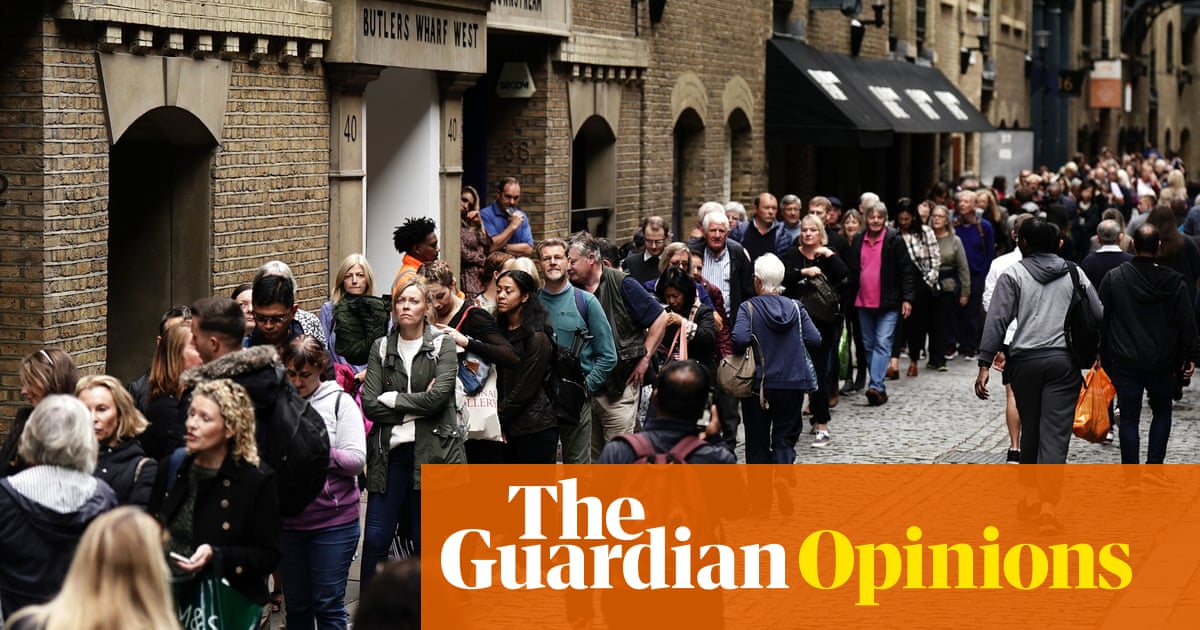
This article is quite interesting on why people get involved in communal rituals of mourning -- it's apparently more complicated than at first it seems.
Despite what we hear from the media, the reasons so many are gathering are complex and various, says psychologist Stephen Reicher

www.theguardian.com





.jpg)


