


Argent Stonecutter
Emergency Mustelid Hologram
- Joined
- Sep 20, 2018
- Messages
- 7,474
- Location
- Coonspiracy Central, Noonkkot

- SL Rez
- 2005
- Joined SLU
- Sep 2009
- SLU Posts
- 20780


It has taken 50 years and is still not quite complete. From reading Metrication in Australia - Wikipedia, it sounds something like the Canadian system where it is a mix of metric and Imperial.Australia managed it.

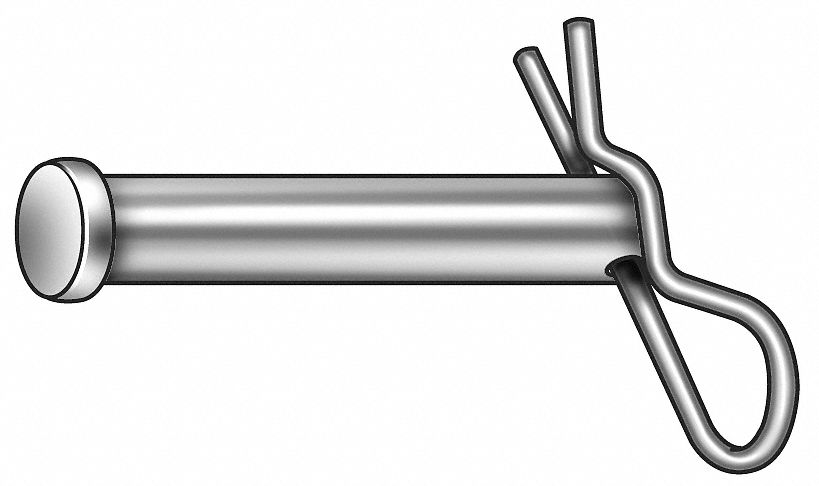
Clevis Pin -* I have no idea what a cleavis pin is, but I feel like some sort of very knowledgeable mechanical insider when I say it.


I was a sophomore in high school. Rather difficult to undo 9 years of being taught imperial and just flip over to metric without a hitch. It wasn't going to happen.Yes, I know - I was in 3rd grade then. First year in a parochial, stateside school, too. But there is a difference between using both and switching to. And while we were -sorta- taught metric, we were mostly just taught imperial.
They do the same in the US. It ain't all metric.It has taken 50 years and is still not quite complete. From reading Metrication in Australia - Wikipedia, it sounds something like the Canadian system where it is a mix of metric and Imperial.
This leads to things like my vehicle which, it turns out, was made in Canada for the Canadian market and, per my mechanic, mixes metric and Imperial at semi-random!
Still, yes, it is doable. If your country doesn't have the IQ of a goldfish.


From what I have learned, Canada is far less SI than either Australia or NZ. In NZ Imperial is only used in a handful of situations (wheel size, monitor size and resolution, printing (dpi), aviation, and old farts talking about height (and seriously, anyone talking about pounds or stones gets a strange look)) and even for monitors dimensions are given in SI with the diagonal being legacy.It has taken 50 years and is still not quite complete. From reading Metrication in Australia - Wikipedia, it sounds something like the Canadian system where it is a mix of metric and Imperial.
This leads to things like my vehicle which, it turns out, was made in Canada for the Canadian market and, per my mechanic, mixes metric and Imperial at semi-random!
Still, yes, it is doable. If your country doesn't have the IQ of a goldfish.


TV's and monitors are often sized in inches. Wheel sizes for cars are in inches as well. They are worldwide industry standards I guess.Perhaps our friends in Continental Europe can let us know if inches or feet appear anywhere apart from aviation.


Do you measure in grams? Even here, serious cooking seems to use that, especially for dry ingredients.TV's and monitors are often sized in inches. Wheel sizes for cars are in inches as well. They are worldwide industry standards I guess.
And nautical miles are used at sea. Ships speed is measured in knots.
For the rest we use the metric system as far as I know. Also when we cook. We don't measure in cups and teaspoons.
The Euro system doesn't have quarters.
Nautical miles are sorta kinda metric, in that they relate to the planet in some useful way -- a nautical mile equals one minute of latitude. It really simplifies a lot of navigation, which is why they'll stick around for a long time. A meter was originally supposed to be a 10,000,000th of the distance from the north pole to the equator. Of course, that got refined to some number of wavelengths of something .......And nautical miles are used at sea. Ships speed is measured in knots...

Of course, there is no metric equivalent for time either.TV's and monitors are often sized in inches. Wheel sizes for cars are in inches as well. They are worldwide industry standards I guess.
And nautical miles are used at sea. Ships speed is measured in knots.
For the rest we use the metric system as far as I know. Also when we cook. We don't measure in cups and teaspoons.
The Euro system doesn't have quarters.
We could always refer to ks and Ms as required.Of course, there is no metric equivalent for time either.

Yes dry ingredients are normally in grams and fluids in milliliters or centiliters. But of course cooking is no exact science. Normally household seasoning with small amounts of pepper, salt and other common herbs is done with a pinch of .....Do you measure in grams? Even here, serious cooking seems to use that, especially for dry ingredients.
Historically the standard meter is the length of the original silver bar in France that they once made and called a meter, during the reign of Napoleon. Its length was calculated as a fraction of the earth back then. THAT silver meter is the mother of all metric calculation. Napoleon enforced the use of the metric system in all the occupied territories (a huge chunk of Europe).Nautical miles are sorta kinda metric, in that they relate to the planet in some useful way -- a nautical mile equals one minute of latitude. It really simplifies a lot of navigation, which is why they'll stick around for a long time. A meter was originally supposed to be a 10,000,000th of the distance from the north pole to the equator. Of course, that got refined to some number of wavelengths of something ....
I was more thinking baking, which reminds me, I should get a scale. I learned to cook so long ago, and with a family cooking tradition mostly rooted in Europe [my mom learned to cook from her grandmother, who was from what is now Slovakia, and was Austria-Hungary when she left over 100 years ago. Sadly I didn't pick up as much from my dad - who also cooked, and did both german-american type things from PA, where he grew up, but also proper Mexican he picked up, most likely from his first wife's mom [who apparently still adored him even when her daughter decided she hated his guts!]Yes dry ingredients are normally in grams and fluids in milliliters or centiliters. But of course cooking is no exact science. Normally household seasoning with small amounts of pepper, salt and other common herbs is done with a pinch of .....
One since a hectogram is 100 grams, equivalent to 3.527 ouncesEntertaining question to ask in a classroom: How many people do you need to lift and transport a hectogram of flour in one go?
I think most of us (in the North American part of VVO anyway) know how it works. What doesn't come as naturally is thinking of a room temperature of 70F as being 21C or a typical human height as being 180 centimeters. Metric is obviously easier to work with but people have all these measurements in their head that are completely intuitive and learned since childhood. They are resistant to change and learning new numbers.It is always divide or multiply with 10 to get to the next step.
Sounds a bit complicated with all these different names, but as you all know dividing or multiplying with 10, 100 or 1000 is extremely easy.
Eh - you cook long enough, you can eyeball a teaspoon vs a tablespoon, though I do use mine because I have them - but if you know the different flavours, and the flavours you are going for? you do not need precise - besides, if you need procise - you use grams for dry stuff anyways,.In cooking, exact measurements are needed for those who have never cooked that specific thing before. That's why recipes exist so people can learn the right way first and then later on they can adjust to taste.
One since a hectogram is 100 grams, equivalent to 3.527 ounces
IMHO America should not change to metrics for just that reason.I think most of us (in the North American part of VVO anyway) know how it works. What doesn't come as naturally is thinking of a room temperature of 70F as being 21C or a typical human height as being 180 centimeters. Metric is obviously easier to work with but people have all these measurements in their head that are completely intuitive and learned since childhood. They are resistant to change and learning new numbers.


