Free
IZ ADMIN
- Joined
- Sep 21, 2018
- Messages
- 43,702
- Location
- Moonbase Caligula

- SL Rez
- 2008
- Joined SLU
- 2009
- SLU Posts
- 55565


What would Earth’s climate naturally be doing if it weren’t for human intervention? Researchers at Northern Arizona University have now analyzed over 12,000 years of climate data, and found that human-induced warming interrupted and reversed a long-term natural global cooling period.



 www.theguardian.com


 www.nationalgeographic.com


 www.theguardian.com

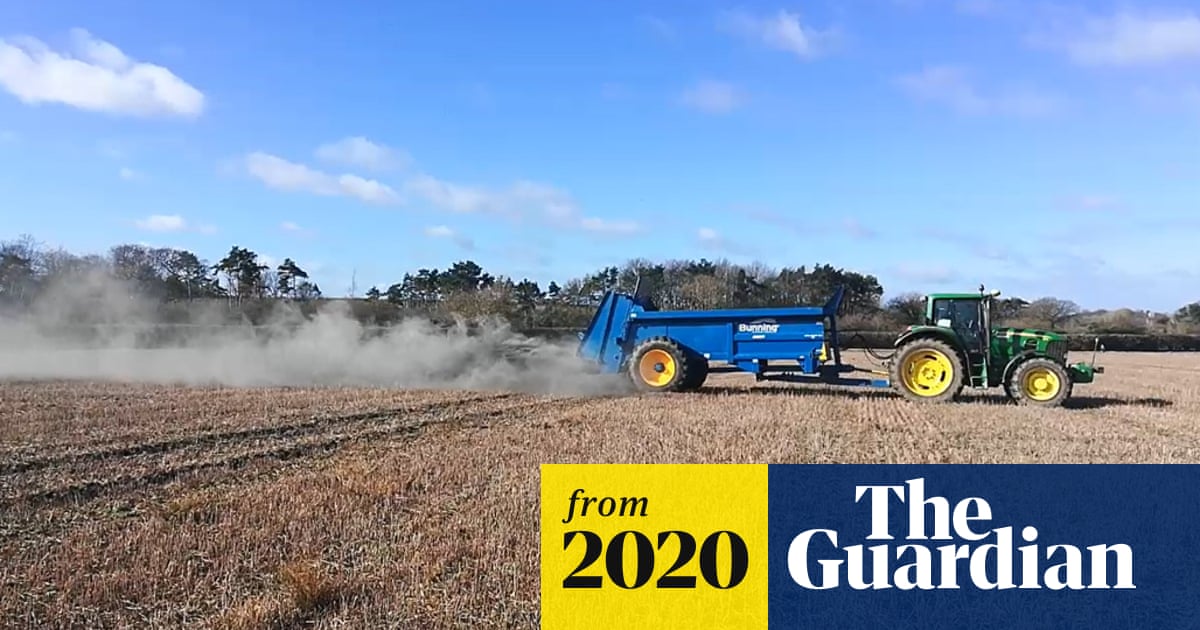
Both rock dust and biochar (charcoal) are known to be soil improvers, and they capture CO2, but soil is a highly variable material. That's why we have a system in the US for soil tests, to see what a given plot of land actually needs. These two additives have been studied, but not enough to know all the details of how much and when to apply them, like we do with regular fertilizers. It will take some work to develop that knowledge.Maybe some good news:
Spreading rock dust on fields could remove vast amounts of CO2 from air
It may be best near-term way to remove CO2, say scientists, but cutting fossil fuel use remains critical
The problem with ocean acidification is you can’t really do anything about it other than try to reduce carbon emissions — and once a certain level is reached, the shells of marine creatures become unstable and start to dissolve.
By 2100, the study found, Arctic waters may be too acidic for many shelled creatures, and according to the model produced by the researchers, if greenhouse gases continue to develop according to existing projections, it’s bad news for the marine environment.
www.theguardian.com
Note that Texas is already the leading wind power state, but it also has lots of flat, sunny land for solar.A surge in new utility-scale solar is poised to push much of the remaining coal-fired power fleet in Texas into retirement in the next few years, according to a report by the Institute for Energy Economics and Financial Analysis (IEEFA).



 www.evernote.com
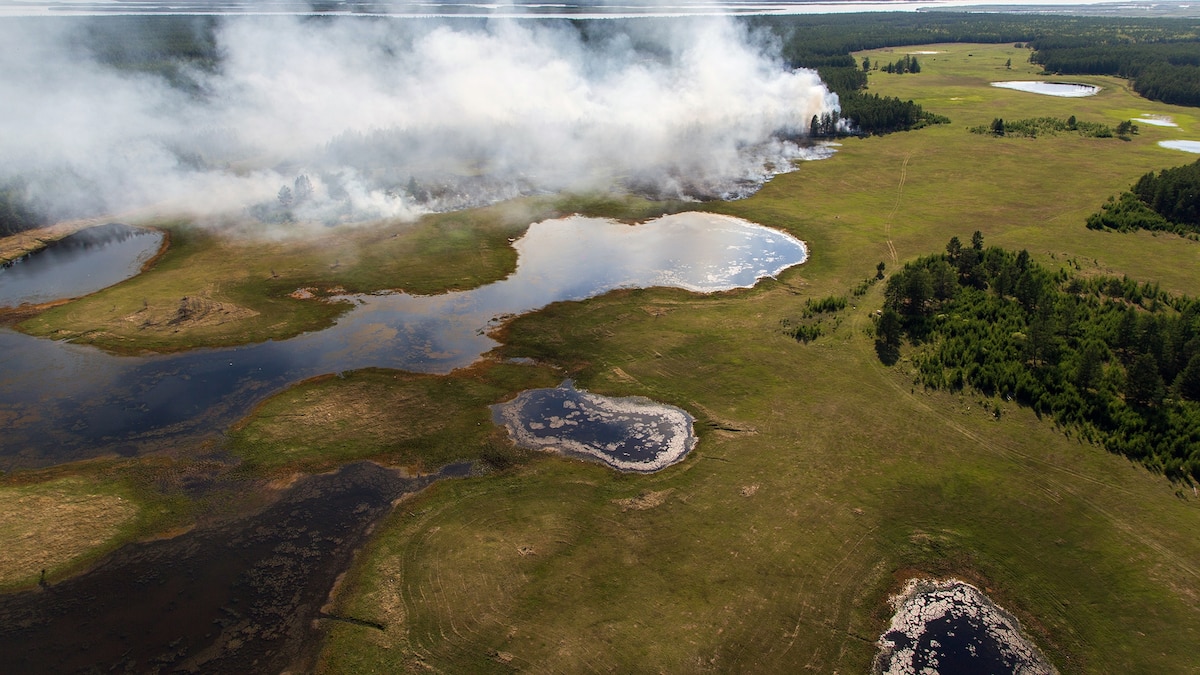
Since the start of 2020, it’s estimated that fires have burnt through 20 million hectares (49 million acres) of the Russian landscape, which is an area bigger than Greece, and about 10.9 million hectares (27 million acres) of forest, according to Greenpeace International. For context, the global extent of tree loss in 2019 was 11.9 million hectares. That means fires this year have affected an area of forest in Russia nearly equivalent to the planet’s tree loss last year even though it’s only mid-July.
You mean comparable with the British view on the European continent?Also, it's tiresome how the NYT likes to consider NYC an island somehow separated from the rest of the continent by a thousand miles of privilege.
I dunno. I was talking about the isolated village attitude of a single newspaper.You mean comparable with the British view on the European continent?