Sorry, I was going to reply and then forgot all about it. Thanks for reminding me.
The Wikipedia article gives a decent overview of the various C20th writers who fall under the heading of "critical theory". I suppose basically I'd describe it as an analysis of ideology and power relationships that underlie various forms of social and cultural activity that create our social identities and the categories by which we understand the world.
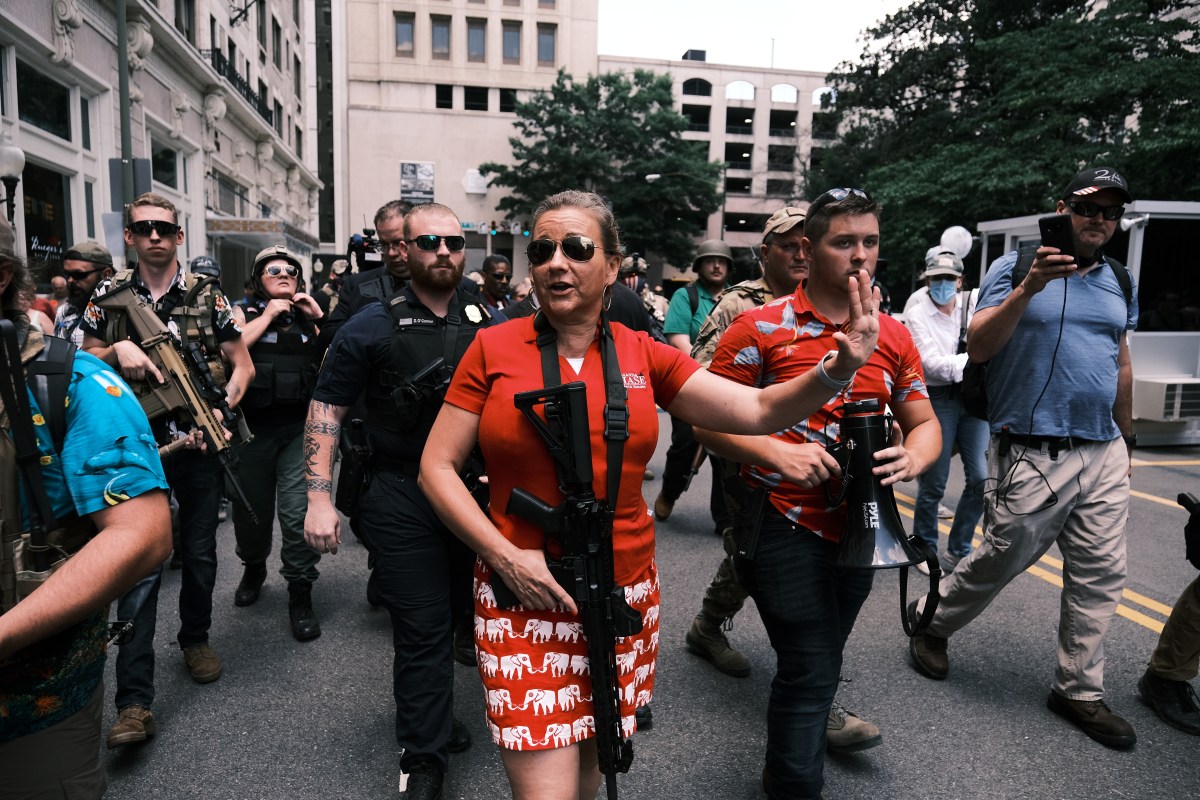
That sounds very abstract, I know. One example would be the current controversy over the way we understand the history of Confederate monuments or the role of imperialism and the slave trade in American and British history, or attempts to understand the appeal of particular representations (almost parodic to an outsider) of American masculinity as embodied by various alt-right groups, how these draw on ideas of masculinity already there in popular culture, and how these ideas first came into circulation through the media and popular culture, and whose interests they serve.
I first stumbled into it via Roland Barthes' 1957 collection of essays,
Mythologies, which is very accessible in the way it explores how French bourgeois society created a whole range of meanings for everyday activities (drinking wine, for example, or driving particular types of car), and then found myself reading Michel Foucault, on the power relationships encoded in academic disciplines like law, penology and medicine, and then I got into Derrida and post-structuralism, but that's a whole other story.
I was looking for a good general intro (it's years since I've read much of this kind of thing) and found this on Amazon, free with Kindle Unlimited
Introducing Critical Theory: A Graphic Guide (Introducing... Book 0) eBook : Sim, Stuart, Van Loon, Borin: Amazon.co.uk: Kindle Store
smile.amazon.co.uk
I've not yet read it but I've skimmed it and it seems as good an intro as anything.