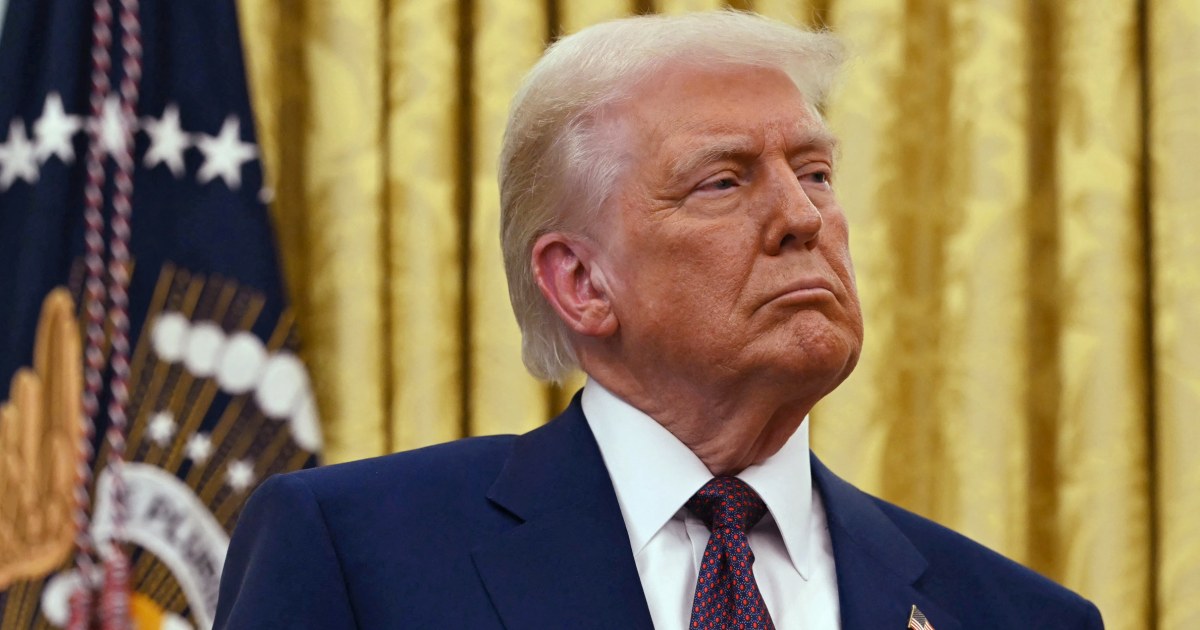
“We’re even looking at Treasuries,” the president told reporters. “There could be a problem … It could be that a lot of those things don’t count. In other words, that some of that stuff that we’re finding is very fraudulent, therefore maybe we have less debt than we thought.”
The suggestion was that opening up the US Treasury’s data to Elon Musk’s “department of government efficiency” team had identified a money-saving wheeze: why not walk away from some of America’s debt obligations – a “selective default”, as economists call it.
Like so many of the serially erratic president’s pronouncements, this one had to be “walked back”, as the Americans call it. Kevin Hassett, his economic adviser, stressed the next day that Trump was referring to other payments that the US Treasury had been making, not its
$36tn (£28.6tn) in debt obligations. Hassett suggested the Treasury “had been “sending money out without flagging what it was for”.
Yet just entertain for a moment the idea that a US administration might decide it could unilaterally default on even a small portion of its debts. The result would be catastrophic. Because of the dollar’s status as the world’s reserve currency, the yield on US Treasuries – US government bonds – is perhaps the most important benchmark in global financial markets.




 bsky.app