- Joined
- Sep 20, 2018
- Messages
- 7,005



Isolating the LPTs is the final step in protecting them. Following procedure keeps the LPTs from frying the rest of the grid(s) but those grids have a zillion other grounds that will need to be, are should already be, independently protected. Initally, the LPTs themselves need surge protection, that will act as an intermediary drain, to capacitate and discharge ground surges. The article notes that not very many of the LPTs in the US are thusly protected.What you're describing appears to be about disconnecting the transformers from the grid, to prevent a power surge from racing through and frying everyone's equipment. But based on the article (or at least my understanding of it), the transformers themselves are still vulnerable:
So even if the grid itself is undamaged (such a very big if), the transformers are still locked in place and still subject to damage. Replacing them would take years.


Just within my lifetime, we've developed an unsettling degree of reliance on vulnerable electronics. When I was born, TV sets were just beginning to become common in homes. (We didn't get one until I was 6 years old.) There were no satellites, no GPS, no home computers and even business/commerce computers had only been out for a few years.So even the best laid grid(s) may simply melt during the event. We may all simply melt during the event.

If we were to lose electricity for a couple of years the country would fall apart. No lights or AC and in many cases no heat.Now, if we were to lose electricity across the grid and melt computer systems, every aspect of our daily lives would be massively disrupted. It's a glaring vulnerability and we don't take it seriously.
Those are (relatively speaking) minor issues to resolve and/or live through. I'm more concerned with the complete collapse of our current communications systems, food and product distribution systems, banking & financial systems, medical systems, and transportation systems.If we were to lose electricity for a couple of years the country would fall apart. No lights or AC and in many cases no heat.
The items you bring up are major but so is freezing to death which would happen in large numbers.Those are (relatively speaking) minor issues to resolve and/or live through. I'm more concerned with the complete collapse of our current communications systems, food and product distribution systems, banking & financial systems, medical systems, and transportation systems.
I wouldn't worry so much about freezing to death unless the EMP hits in the dead of winter for the area in which you live. Even so, there are ways to survive cold that don't require an electric heater. There are fewer workarounds for food.The items you bring up are major but so is freezing to death which would happen in large numbers.


Like telling Hazel O'Connor to sing "punch him in the no oh oh oh ose."


Reminded again how much of the summer beach resort section of Europe is north of the too cold to swim part of the USA.
The "too cold to swim" part of the USA varies tremendously on the east and west coast. Virginia Beach, VA (near DC) has August ocean temperatures averaging 78F. San Francisco, 60F. They are both around 37 degrees latitude which is around the south edge of Spain.Reminded again how much of the summer beach resort section of Europe is north of the too cold to swim part of the USA.
And both VA and Spain are swimmable because of the Gulf Stream.The "too cold to swim" part of the USA varies tremendously on the east and west coast. Virginia Beach, VA (near DC) has August ocean temperatures averaging 78F. San Francisco, 60F. They are both around 37 degrees latitude which is around the south edge of Spain.

Dead of winter pipes would freeze, destroying water distribution systems. Potable water is a more immediate need than food, and it would also become a massive blow to sanitation, hygene and health.I wouldn't worry so much about freezing to death unless the EMP hits in the dead of winter for the area in which you live. Even so, there are ways to survive cold that don't require an electric heater. There are fewer workarounds for food.
I don't dispute that, but it's a short window of vulnerability and bad timing. Losing all communications and food distribution, Law enforcement and medical systems, fire department etc will have an immediate effect regardless of season. So mid-winter will be really really bad, no question, but it's going to be really bad anyway.Dead of winter pipes would freeze, destroying water distribution systems. Potable water is a more immediate need than food, and it would also become a massive blow to sanitation, hygene and health.


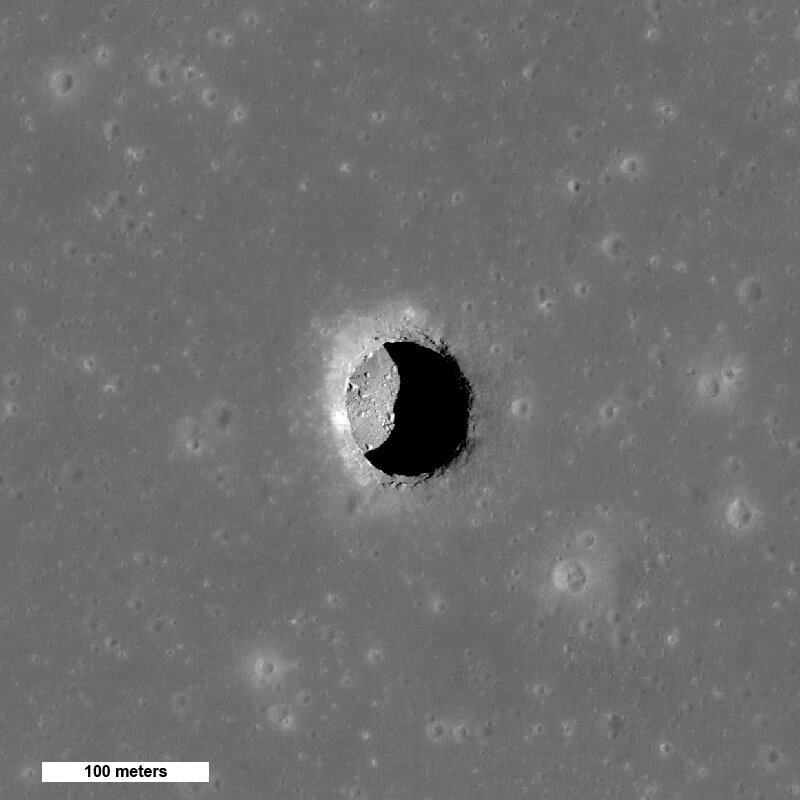
NASA-funded scientists have discovered shaded locations within pits on the Moon that always hover around a comfortable 63 F (about 17 C) using data from NASA's Lunar Reconnaissance Orbiter (LRO) spacecraft and computer modeling.
The pits, and caves to which they may lead, would make thermally stable sites for lunar exploration compared to areas at the Moon's surface, which heat up to 260 F (about 127 C) during the day and cool to minus 280 F (about minus 173 C) at night. Lunar exploration is part of NASA's goal to explore and understand the unknown in space, to inspire and benefit humanity.