


- Joined
- Sep 20, 2018
- Messages
- 24,341

- SLU Posts
- 18459


 www.quantamagazine.org


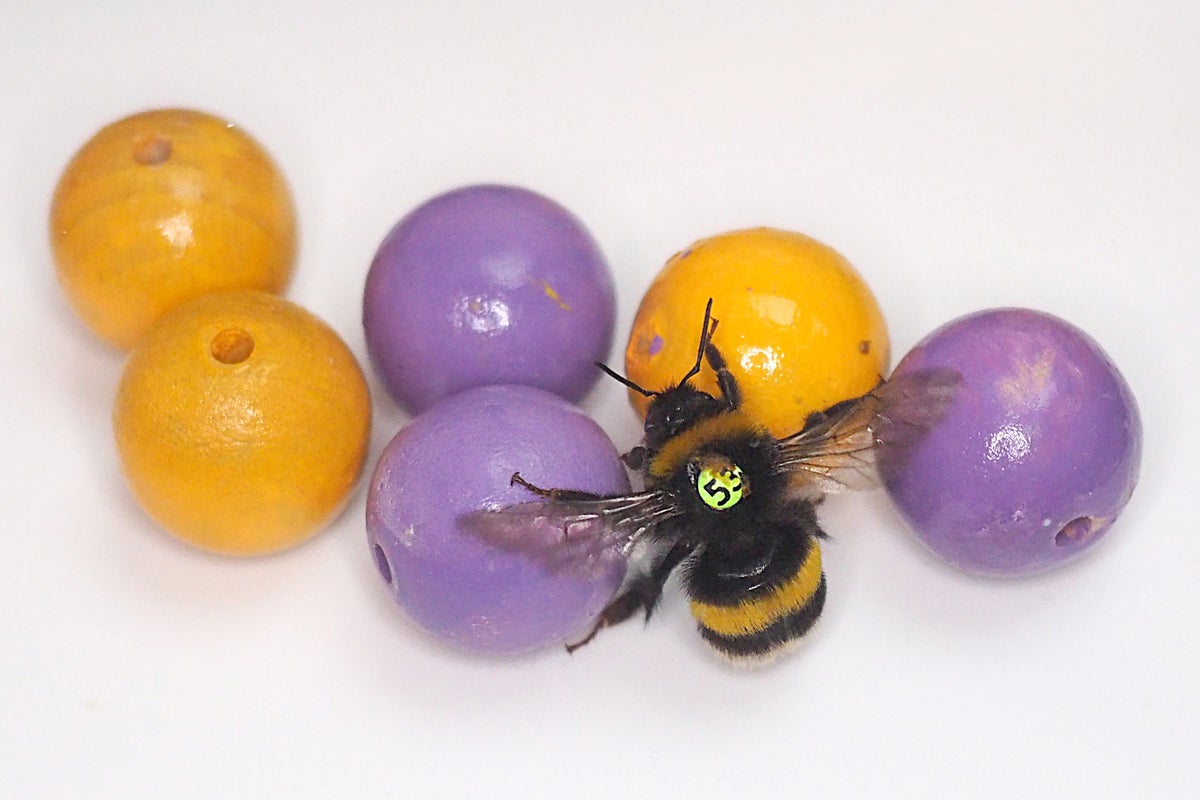
Ball-rolling bumblebees have become the first known insects to “play,” researchers say. The scientists recorded these tiny fliers manipulating wooden balls again and again in a series of new experiments.
When animals repeatedly engage in behavior that does not provide them with food, shelter or another immediate benefit, researchers consider the behavior play. Play with inanimate objects is widely observed in animals, although most examples come from mammals and birds, with no record of the behavior in insects until now.
Animal play is one piece of the puzzle when determining whether a group of animals is sentient—whether its members have inner feelings and experiences. Scientists consider mammals, birds, and increasingly cephalopods and fish to be sentient beings. “Eventually, this can tell us something more about whether [insects] are sentient,” says Samadi Galpayage, a graduate student in Lars Chittka’s lab at Queen Mary University of London and lead author of the new bumblebee study, which was published on Thursday in Animal Behaviour.


Insects like these are hard evidence that back then the earth's atmosphere was quite different, because in the modern air their tracheas simply would not work.
 www.theguardian.com
American black bears have slowly been turning red due to a genetic variant.

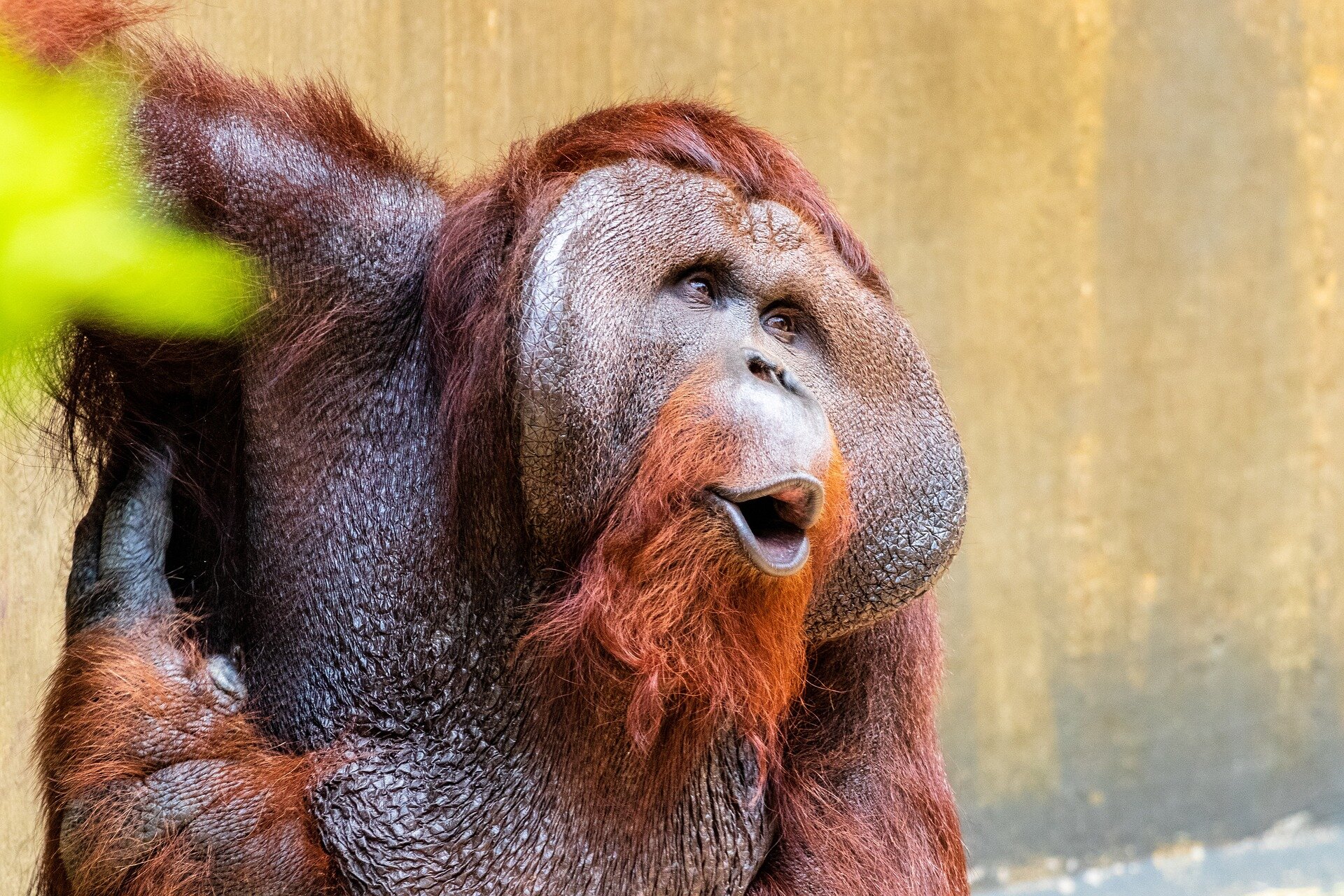
This interpretation would fit in quite neatly with the some of the most recent developments in paleontology. There is growing evidence that humans kept the tree-walking skeletal structure of their common ancestor with gorillas and chimps. The other great apes evolved into knuckle-walkers to navigate on the ground-level of the jungle. The tree-walking adaptation aided the hominid ancestor's transition to walking in savannahs near the tree line, so they never went through a knuckle-walking phase.Arboreal versus terrestrial lifestyles appear to have driven great apes to develop different vocal repertoires, with large and varied inventories of consonant-like calls arising from tree-dwelling apes like orangutans, rather than the ground-dwelling apes. The study suggests that our own evolutionary ancestors might have lived a more tree-dwelling lifestyle than previously thought.


