It's an emotional resistance rather than an intellectual fail, but yes, it's almost impenetrable. For those of us who have been marginalized all our lives, cynicism and distrust of the establishment is not a difficult step to take. But the hard core are Americans who are deeply emotionally invested in a system that has worked for them for generations, that they believe they earned, that they consider their birthright, even a God-given benefit of the Chosen Ones (aka White Christians). In order to accept that the system is now working against them requires relinquishing an entire universe of assumptions about how their class achieved its successes. They would trade their status of People Who Deserve Success for that of People Who Are Pawns of the System.
Here's my take on it: the USA have always been very much market liberal, but in the past also willing to draw red lines if something failed, like 1929 after the stock exchange crash. This will has now more or less went out of the window, it's gone.
In the past - after WWII - the system worked for quite many due to two facts: the Sputnik shock and the USSR. When the Sputnik shock happened, this really was like an earthquake and there was a political will there to close that gap. Meaning that better not to waste any potential at all.
The other was the USSR - as long as it existed there was always the need more or less there to demonstrate that life in capitalism is indeed better than in communism, and to be able to achieve that goal a big enough middle class was deemed necessary. It was a longer period of time where capitalism with its goals more or less was in sync with the nation's ones, where also tons of stuff was invented and therefore the domestic market unsaturated as well, and so they had a somewhat fruitful symbiosis where corporations made profits, but also were willing to give a share to the working class.
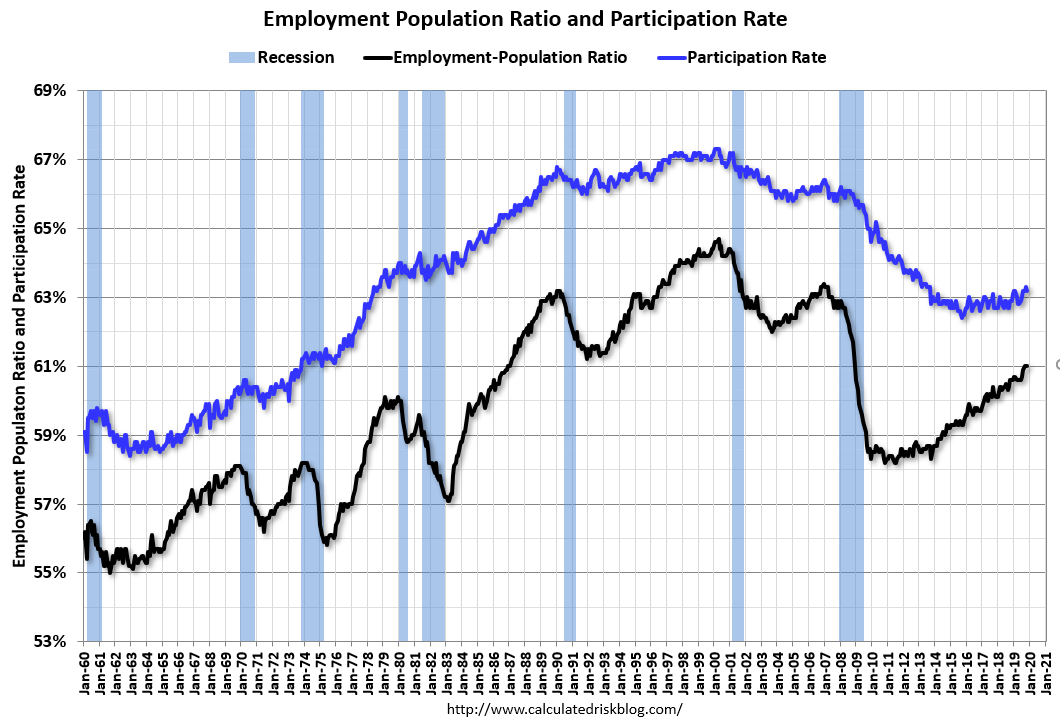
The beginning of the end was the election of Ronald Reagan; and when the USSR dissolved there was also no need any longer to demonstrate that living in capitalism is indeed better than in communism, so slowly but steadily politics changed. And companies became much more greedy, powerful and influential on politics than ever before in the long run.
And jobs got exported to the People's Republic of China, a lot. All were laughing about it, all saw them as some kind of backwater cheap work force like many did with Japan at the beginning of the 70s. We all know what how Japan prospered back then already, buying one American car company after the other and giving American car brands and entertainment equipment brands a run for the money. So basically the same situation like there is now with China - American's exported shit loads of jobs to China, and China exported goods to America, and lent America lots lots lots of money. Chimerica was born, and for a while this worked well enough, although the middle class was already vanishing a lot.
But China, much like Japan, does not want to be the cheap workbench of the world any longer, they want leadership and wealth for their own people as well. And in some areas of technology this already has happened, like 5G equipment where telecommunications companies are telling you this: yes, we can use equipment aside Huawei, but it gives less bang for the buck and has much longer delivery times. Some even think it's impossible to implement a 5G network without some stuff from Huawei at least.
What we are witnessing right now as result of Trump's trade with China is the technological breakup; China wants finally once and for all to become technologically independant from the West, and I am pretty sure that they are going to reach this goal quite fast.
The important difference though between Japan and China is size and population; Japan has only around 10% of China's population. Quite much more important though Japan is an ally of America, because it's security depends largely on the US Armed Forces. China on the other hand views itself as a global power back on its rightful way they had before 1850, and bows down to nobody which is quite a different approach.
Is exporting jobs a problem? Well it depends on the jobs created to replace them in the exporting country. If only low level jobs are created in masses to replace them, while rents, costs of living and the rest stays as it is then: yes, it is a problem. This is exactly what's been happening in America for many, but not for all.
The other issue is that productivity in all types of industry always increased over the last decades, meaning even if we would not export jobs, 20 years from now on probably we do only need 60% of the staff to produce the same stuff like today or even more. This is a problem all nations are facing, and no good answer has been found yet to it. One approach is the idea of the universal basic income.
And what we've got today in America, like in many other nations is "divide et impera"; the still somewhat wealthier people who already do feel and fear their decline are incited against the poor, homeless and illegal immegrants to divert their attention from the real reasons what's being wrong in the country. It's a pattern you can view all over the globe right now.
So for a large part that the system worked to the favor of many Americans in the past this is being owed due to the existance of the USSR back then; which now is gone. What still somewhat is stabilizing the system is the fact that the Fed has been pumping like crazy into the financial industry and rest, so making money artificially less valuable than it is - interestingly something Trump also accuses China over. The ECB has been doing the same since years, we are in the epoch of money wars and the big bang of it was 2008. If the Fed is going to stop this influx of money some day we are most likely going to witness the explosion of an economic nuclear bomb, if not really good prepared. Many federal banks around the globe have already begun to buy domestic company shares, which is quite ironic because due to that the capitalism is nationalising companies in the long run if they should get the majority of some companies, which has always been a primary goal of communism: nationalising companies, but at large scale.
By the way the reason why there is no competition with China like it was back then with the USSR is due to the fact that China is in reality today a country with state capitalism in place despite being official still communism, which it is not, and due to the exported jobs America is quite dependant on China, which was also not the case with the USSR. Something like the iPhone was never produced in the USSR, but it is in China. That's the difference, the trade with China is enormous and with the USSR it was not. China is far too big to be ignored by American companies as a market for all types of services and goods.
This is what is going to make the breakup really hurtful for both sides, but in the long run America will be hurt much more than China will. When Trump for example lowered some taxes, many Chinese companies did not lower their prices for example.
But much more impactful is that China is pursuing a scorched-earth policy against its own domestic companies. So you made business with an American company but now you are in trouble? Good luck with that, buddy! So this means that those Chinese companies are looking for alternative sources for the supplies/goods/services they do need, and once they've found them don't expect them to come back easily to American companies as long as Trump is in the office. Even after that it is unlikely to happen, and in parallel lots of money is being invested in key technology the government wants to become independent, like e.g.
the manufacturing of DRAM.
And we are right now in the breaking up phase of Chimerica, it will never be the same again after it, even if Trump makes a good trade deal with them due to reasons only a non yet discovered deity might know - because China is now on the breakup path and will walk it till the bitter end.