Ashiri
√(-1)
- Joined
- Sep 20, 2018
- Messages
- 936
- Location
- RL: NZ

- SL Rez
- 2007
- SLU Posts
- -1





OY!
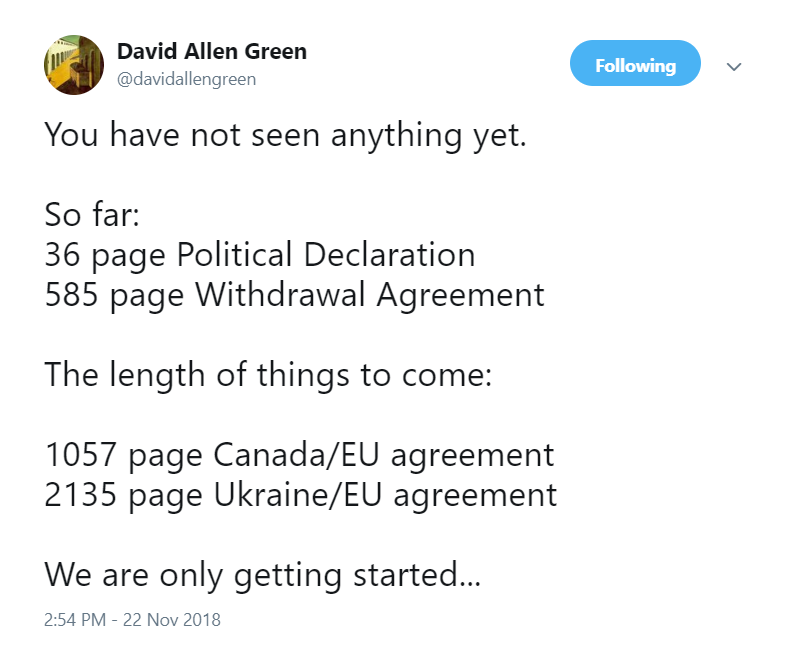
In the name, of course, of doing away with all that burdensome red tape and form filling imposed by Brussels bureaucrats.OY!
So instead of one large book of import/export regulations applying to non-EU trade goods, the poor importer/exporter will have to check a different large book for each nation that trades with the UK. What a world of hurt those frauds like Farage and Boris Johnson have unleashed upon Britons.

I'd been wondering where that demand had got to. I wonder what would happen if the Tories did let Gibraltar go.
Not with all the monkeys there.That simply will not happen.

Well, we could always suggest donnie try to fix it for you .....In the name, of course, of doing away with all that burdensome red tape and form filling imposed by Brussels bureaucrats.


Well, we could always suggest donnie try to fix it for you .....

As long as you keep him afterwards.On the other hand, we could try and fix the donnie.
Where is the chainsaw?
The somewhat incoherent argument aside .... she is actually trying to tie brexit, already a major change, to a second major change but this time internal? Not sure how the EU would oppose a socialist setup anyway given there are socialist member states just to the north of her.Thread:
"Socialist" means something different in the USA, I think, from what it means in the rest of the world (certainly from what it means in Europe, anyway). Most of us on this side of the Atlantic would regard the Scandinavian countries as models of social democratic mixed economies rather than socialist.The somewhat incoherent argument aside .... she is actually trying to tie brexit, already a major change, to a second major change but this time internal? Not sure how the EU would oppose a socialist setup anyway given there are socialist member states just to the north of her.
This was finally dropped in the 1990s by Tony Blair, but many Labour activists -- including, I think, Jeremy Corbyn, who doesn't seem to have changed his views much since the 1970s -- would like to return to those policies. EU membership would certainly make that difficult under current rules.To secure for the workers by hand or by brain the full fruits of their industry and the most equitable distribution thereof that may be possible upon the basis of the common ownership of the means of production, distribution and exchange, and the best obtainable system of popular administration and control of each industry or service

“If you just presented me terms, this deal or EU membership, because we would effectively be bound by the same rules without control or a voice over them, then yes this would be even worse than that,” Raab said.
Raab joins a growing list of leading Conservative Brexiteers who have suggested in recent weeks and months that it would be better to remain in the EU rather than accept what the prime minister has agreed with Brussels.
Better late than never then.Could reality be beginning to dawn on these people?