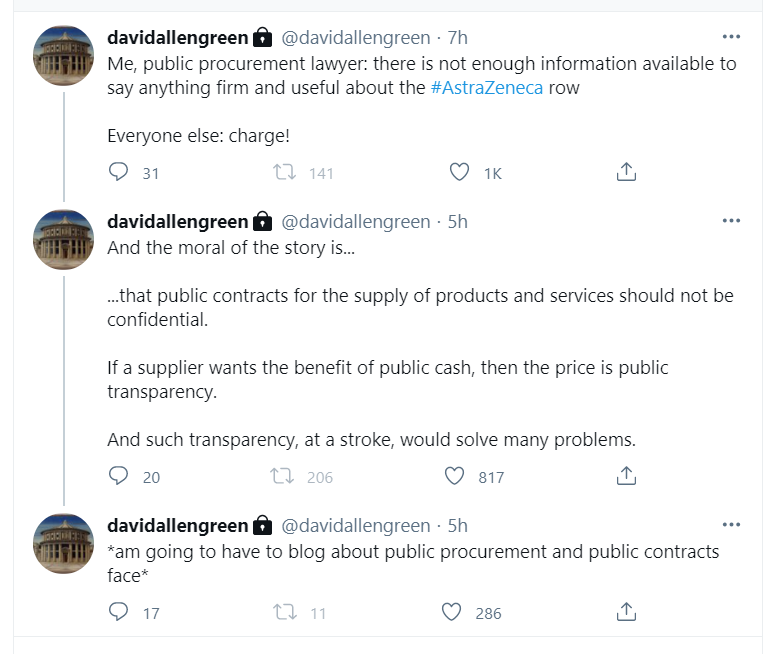
If it only were weeks, than there would be no big troubles I guess.
They are talking about months of delays.
And now Biden all of a sudden announces 100 million vaccines, while the 45 administration did nothing to order them.
That makes me suspicious too.
Like, we have the EU money already in our pockets, they can wait as a thank you, so that we can rake in some more from the others first.
And it is about principles as well.
This is not how civilized countries and manufacturers should do business with each other.
I don't think they're talking about months of delays. From what I've read, they're saying production in Astrazeneca's British factories started earlier than it did in their EU plants, so those factories have had the extra time to iron out local bottlenecks and delays.
Meanwhile, the British government seems to take the attitude that they signed a contract with Astrazeneca three months earlier than did the EU sign theirs, to which they're holding the company since they're not prepared to throw into chaos the whole NHS vaccination programme by departing from it.
Imagine the situation the other way round -- how would the Dutch or Belgian or German governments react had they signed contracts three months before Britain did, and then the UK regulators approved the vaccine a month after their European counterparts, and Boris Johnson then started demanding that Astrazeneca disrupt the EU vaccination programme by diverting vaccines to the UK so we could catch up?
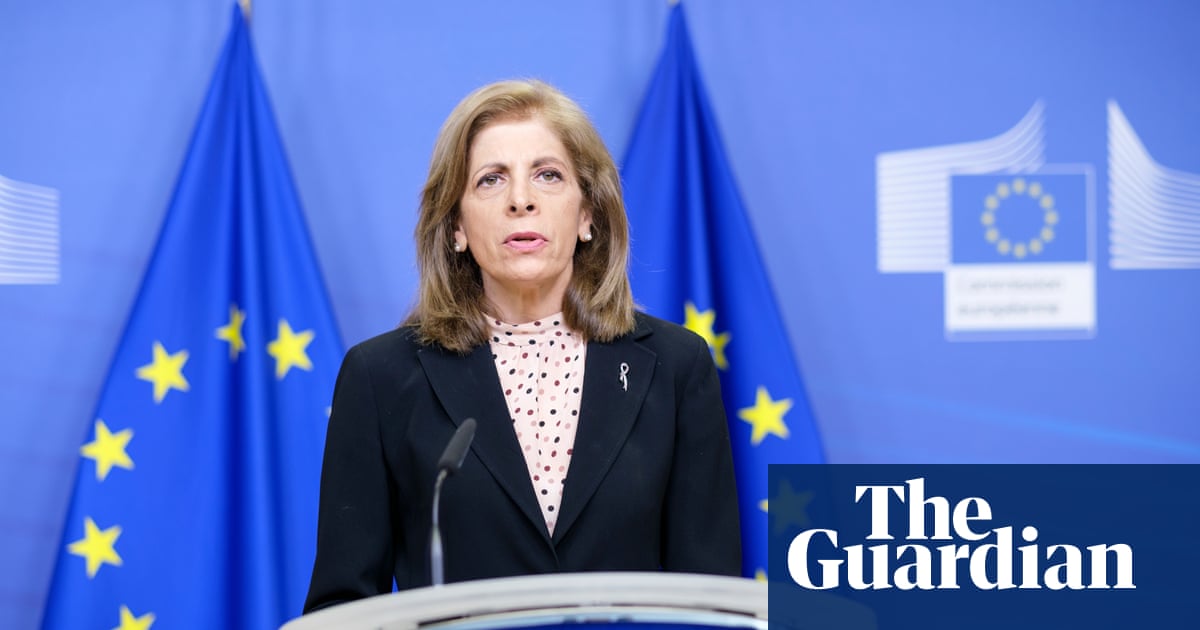
There seems to be some dispute about what AstraZeneca is, in fact, contractually obliged to do, which doubtless the courts will resolve if necessary, but I get the overall impression -- which is probably not worth much -- that Commissioner Kyriakides seems to place more emphasis on what she sees as the company's moral obligations than she does on its contractual ones, which may suggest she took her eye of the ball when the original contracts were negotiated and signed.
The FT has detailed coverage
EU demands UK Covid vaccines from AstraZeneca to make up shortfall
EU and AstraZeneca fail to resolve vaccine supply dispute
Vaccine export rules: what is the EU proposing?
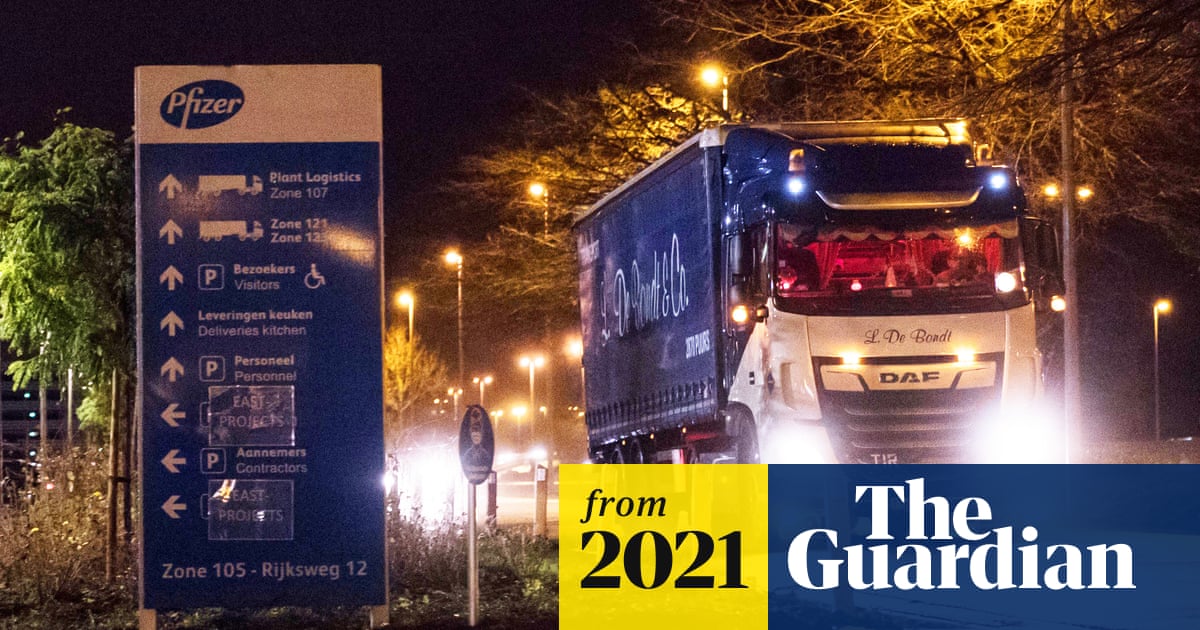
ETA: more background
Slowness to sign up to and approve the vaccine may have caused delays, but Brussels feels the company is being less than cooperative, says Leo Cendrowicz

www.theguardian.com
As that article suggests, the contract with AstraZeneca is confidential but
the equivalent contract with CUREVAC AG says this:
1.12. DELAYS
1.12.1. The Parties acknowledge that there is a risk that (i) the time-line for the EU marketing authorisation or (ii) the time-line for scaling up the production of the Product may be delayed or that (iii) an EU marketing authorisation may not be granted at all or (iv) the production of the Product may not be feasible.
1.12.2. If there is a delay in the supply of the Product compared to the estimated delivery schedule, the contractor will inform the Commission as soon as reasonably possible, explain the reasons for such delay and submit a revised delivery schedule to the Commission which should be as close as possible to the estimated delivery schedule while taking into account the reasons for the delay.
ETA:
Delivering doses to other countries will reduce chance of virus coming back in new forms, say experts
www.theguardian.com
(though I'm not sure how far the general ethical question about vaccine-sharing helps in this specific case, because it's by no means clear to me why the EU's ethical responsibility to save lives in the UK, or the UK's ethical responsibility to save lives in the EU, should outweigh the responsibility of either to save lives in the US, Africa or anywhere else, since presumably no one is arguing that British or European lives are inherently worth more than American, Brazilian, North Korean, Syrian or Sudanese lives).


www.handelsblatt.com





 : Drop your pants.