


- Joined
- Sep 22, 2018
- Messages
- 43,180
- Location
- Moonbase Caligula

- SL Rez
- 2008
- Joined SLU
- 2009
- SLU Posts
- 55565
I warned them the wall wasn't high enough!

Last edited:

I warned them the wall wasn't high enough!


The health of Rodney Taylor, a Liberian-born man who is a double amputee and is missing three fingers on one hand, has continued to worsen after being picked up by ICE and detained at Georgia’s Stewart immigration detention center and his case has now garnered support from a US senator.
Taylor, who has been detained for almost a year, told the Guardian he had now been diagnosed with bone spurs in his back, causing severe pain, while the silicone lining of one of his prosthetic legs has deteriorated, causing chafing and boils.
He has also faced problems with high blood pressure, his fiancee Mildred Pierre said, resulting in a prickly sensation in his right arm, dizziness and headaches and a recent change in medication.
“I feel like [being detained] is draining on my body,” Taylor told the Guardian.
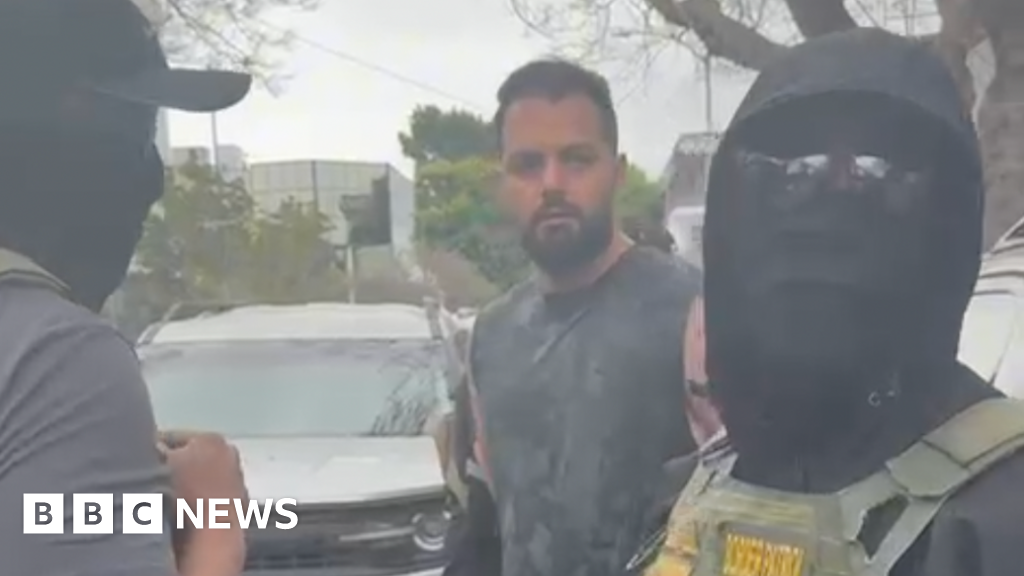
 www.bbc.com

 share.google

The Trump Administration is deporting people to countries they have no ties to, where many are being detained indefinitely or forcibly returned to the places they fled.
ne Saturday morning in early September, I got a WhatsApp video call from eleven strangers locked inside a secretive detention camp in a forest in Ghana. Their faces looked glazed with sweat and stricken with fear. In the background, I could hear birdsong and the drone of insects. An armed guard watched over the group as they huddled around a shared cellphone.
“There are big snakes here, and scorpions!” a male voice with an American accent called out.
“My stomach is really hurting, and we have to beg for food,” another man said.
A third added, “We fear we’ll be tortured and killed.”
One of the men, a car salesman and a real-estate agent from Miami, whom I’ll call Jim, gave me a tour of the scene: an open-air military complex known as Bundase Training Camp, some forty miles from Accra. “I have five U.S.-citizen children, and they don’t know where their father is,” Jim said.
And, on a different topicJust months earlier, one of these men had a job with UPS in Chicago. Another had lived in Houston, where he worked for his mother’s catering business, composed R. & B. music, and babysat his little brothers. Some had lived in the U.S. from an early age. Jim, a political refugee, had come to Miami from Liberia in the early nineties, when he was twenty-three, after his parents were murdered for their tribal and political affiliations during the country’s civil war. Others, including a twenty-one-year-old woman who had fled Togo fearing genital mutilation, had arrived in the U.S. recently, seeking asylum.
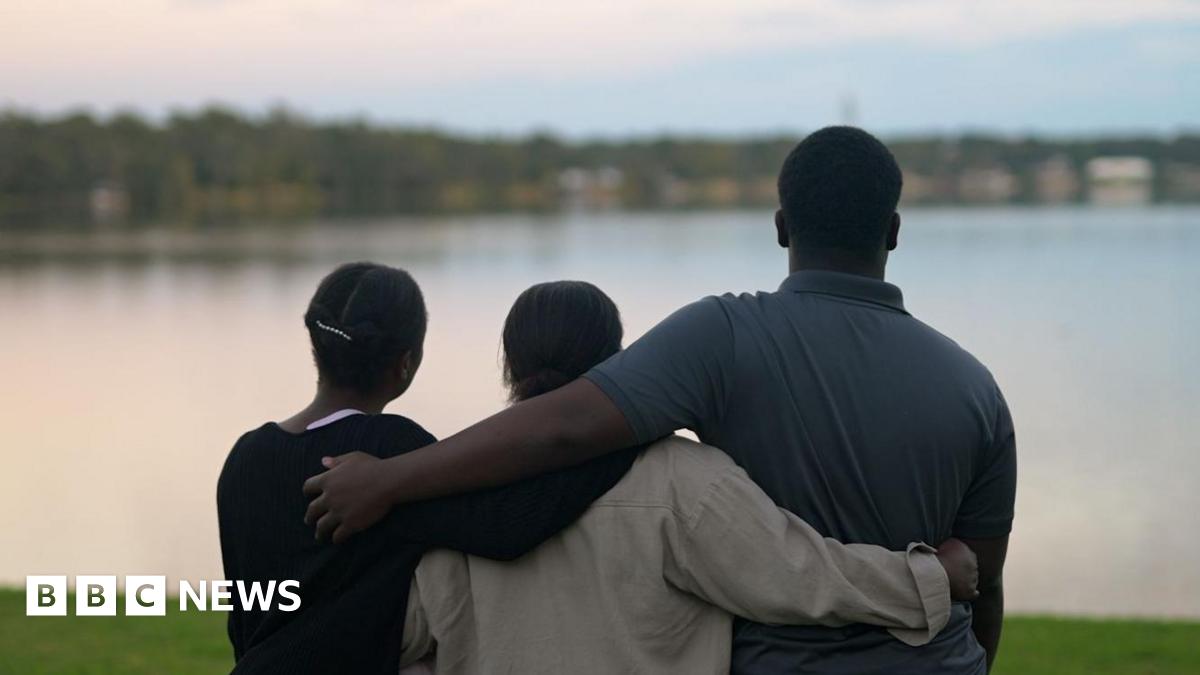
 www.bbc.co.uk
A woman with family relations to White House Press Secretary Karoline Leavitt is in ICE custody after being arrested earlier this month near Boston.
Bruna Caroline Ferreira, a Brazilian native and the mother of Leavitt’s nephew, was arrested near Boston on November 12, her attorney, Todd Pomerleau, told CNN.
Leavitt’s nephew has lived full-time in New Hampshire with his father, Leavitt’s brother Michael, since he was born, a source familiar with the situation told CNN. Ferreira and the White House press secretary have not spoken in many years, the source said.


Thanksgiving may be a tad awkward in the Leavitt household this year.As I've seen commented, you can't discount the possibility Leavitt turned the woman in.
Woman with family ties to White House press secretary Karoline Leavitt arrested by ICE


 www.bbc.com
The official figures indicate that 30,986 – or 48% — of the ICE detainees in custody as of Nov. 16 lacked any criminal charges or convictions in the U.S. and were being held solely because of civil violations of U.S. immigration law. ICE calls them "immigration violators."

Oh, I'm sure there are plenty of real criminals still around, but ICE isn't interested in them.Who'd a thought that at some point you can run out of criminals?

Oh, I'm sure there are plenty of real criminals still around, but ICE isn't interested in them.




 www.allenanalysis.com
There are numbers that a government can hide behind and numbers that break through the wall of official language. Twenty-three is the latter. Twenty-three people have died in immigration detention this year under the Trump administration, a total that eclipses previous years and forces a painful question into the national conversation. Who were these people, and what happened inside the walls of a system that operates with almost no public visibility?


