Lexxi
meow
- Joined
- Sep 26, 2018
- Messages
- 1,333

- SL Rez
- 2007
- Joined SLU
- 12-14-2007
- SLU Posts
- 6381
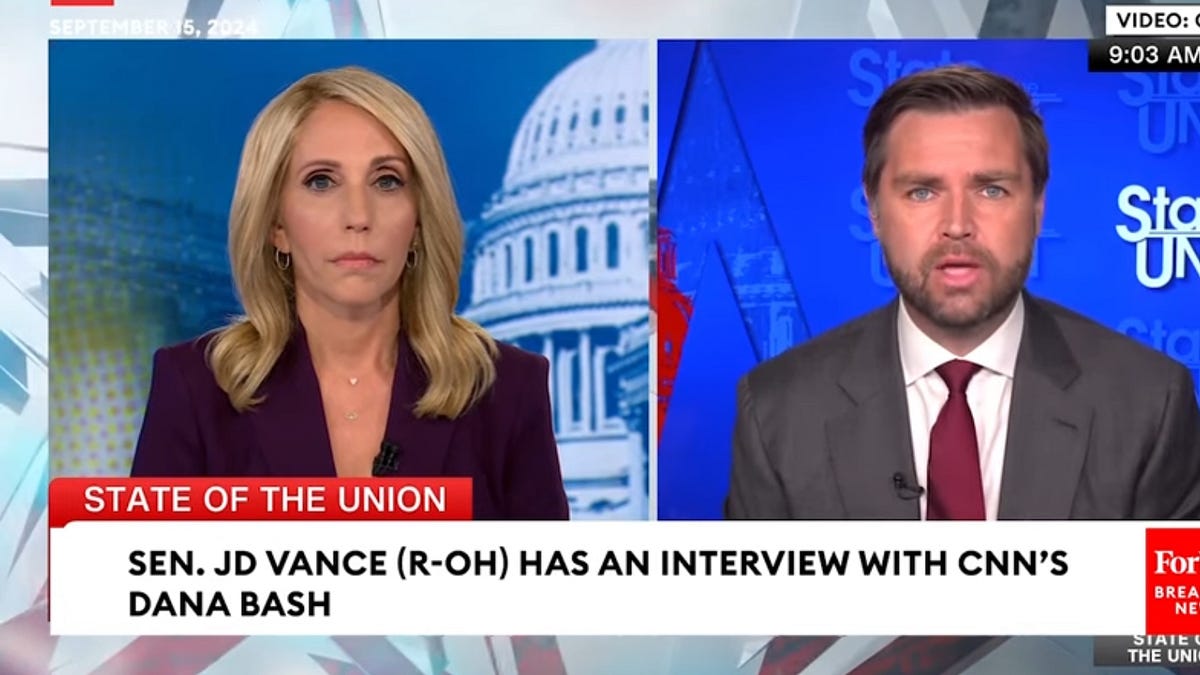
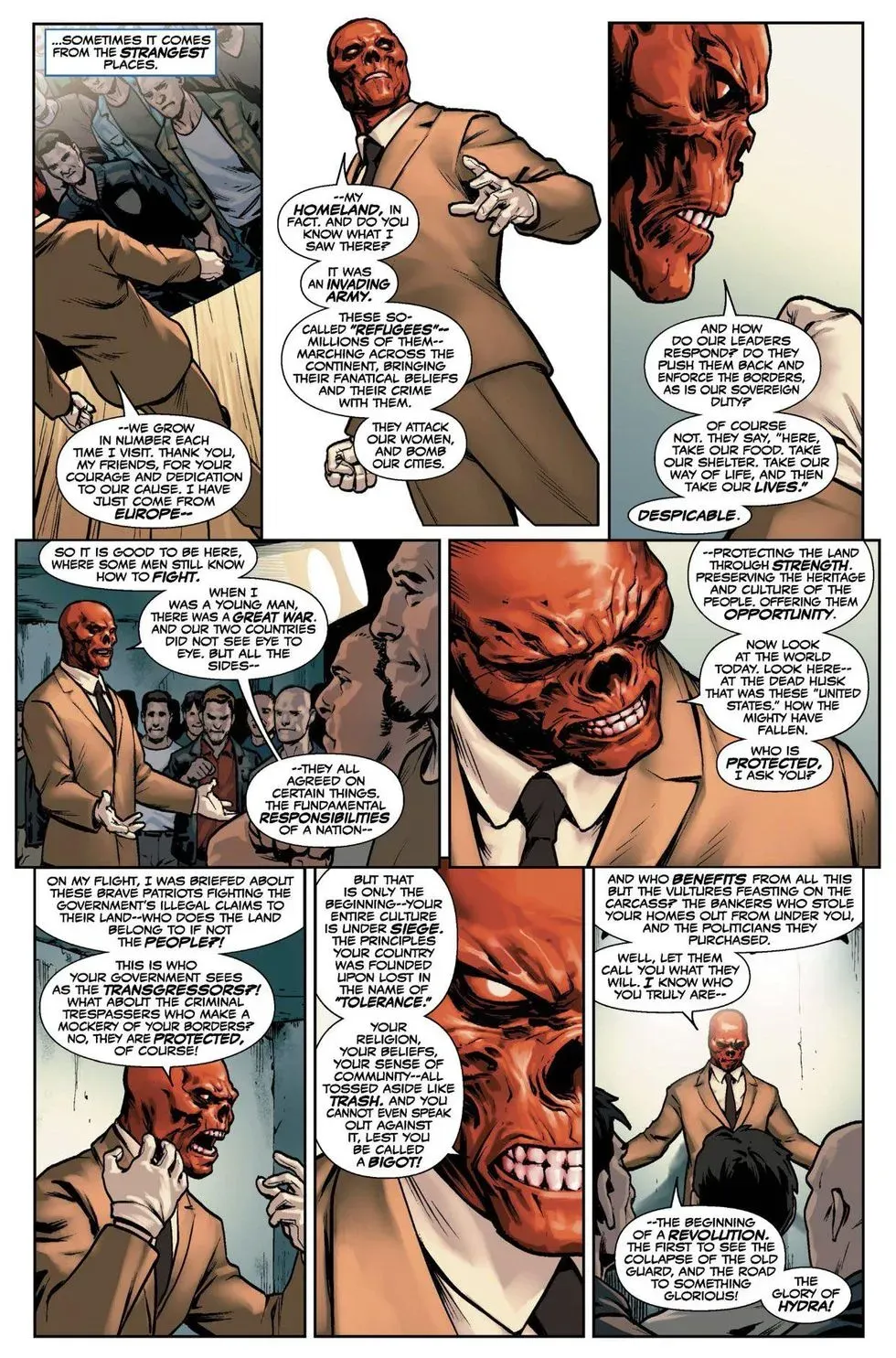
Basically, he is saying that it's OK for him to incite violence. Is there no federal law preventing this kind of "free speech"? How is this different from the proverbial falsely yelling "Fire!" in a crowded theater?
from - US Supreme Court. Brandenburg v. Ohio, 395 U.S. 444 (1969)A state may not forbid speech advocating the use of force or unlawful conduct unless this advocacy is directed to inciting or producing imminent lawless action and is likely to incite or produce such action.
You can hear the actual oral arguments here: {{meta.fullTitle}}
So, basically, it is okay for him to incite violence as long as it is does not/or is not directed at creating immediate lawless action that would likely be created by the words used.Facts of the case
Brandenburg, a leader in the Ku Klux Klan, made a speech at a Klan rally and was later convicted under an Ohio criminal syndicalism law. The law made illegal advocating "crime, sabotage, violence, or unlawful methods of terrorism as a means of accomplishing industrial or political reform," as well as assembling "with any society, group, or assemblage of persons formed to teach or advocate the doctrines of criminal syndicalism."
Question
Did Ohio's criminal syndicalism law, prohibiting public speech that advocates various illegal activities, violate Brandenburg's right to free speech as protected by the First and Fourteenth Amendments?
Conclusion
The Court's Per Curiam opinion held that the Ohio law violated Brandenburg's right to free speech. The Court used a two-pronged test to evaluate speech acts: (1) speech can be prohibited if it is "directed at inciting or producing imminent lawless action" and (2) it is "likely to incite or produce such action." The criminal syndicalism act made illegal the advocacy and teaching of doctrines while ignoring whether or not that advocacy and teaching would actually incite imminent lawless action. The failure to make this distinction rendered the law overly broad and in violation of the Constitution.
Or, in other words: if Vance said "Haitians are killing and eating people's pet dogs. DO SOMETHING ABOUT IT!" and within the day several Haitians are shot at, then it becomes a question of whether or not 1) the people shooting did so based on Vance's words and 2) if a reasonable person, uttering those words, would have the belief that someone would go around creating violence against Haitians.
Or - there was that picture of a dude walking down the street carrying a goose. Picture was misused to make it appear as if the individual had killed the goose and was Haitian (neither factoids were true facts). If the person who misused the picture had said something like "someone needs to take care of that guy", and that specific guy was later murdered .... There's a better case against the person who said "take care of that guy" than against Vance saying "Haitians are eating dogs".
With Vance admitting that he wanted to incite violence, part of the criminal test would be covered, but would still need a direct connection between the words and specific people harmed by the words.