


danielravennest
Well-known member
- Joined
- Sep 21, 2018
- Messages
- 3,708
- SLU Posts
- 9073
Perseverance takes too long to type. Its a nickname."Percy?"
Perseverance takes too long to type. Its a nickname."Percy?"

Percy dangling from the skycrane just before landing. This is one frame from what will be a landing video, which will take more time to download:





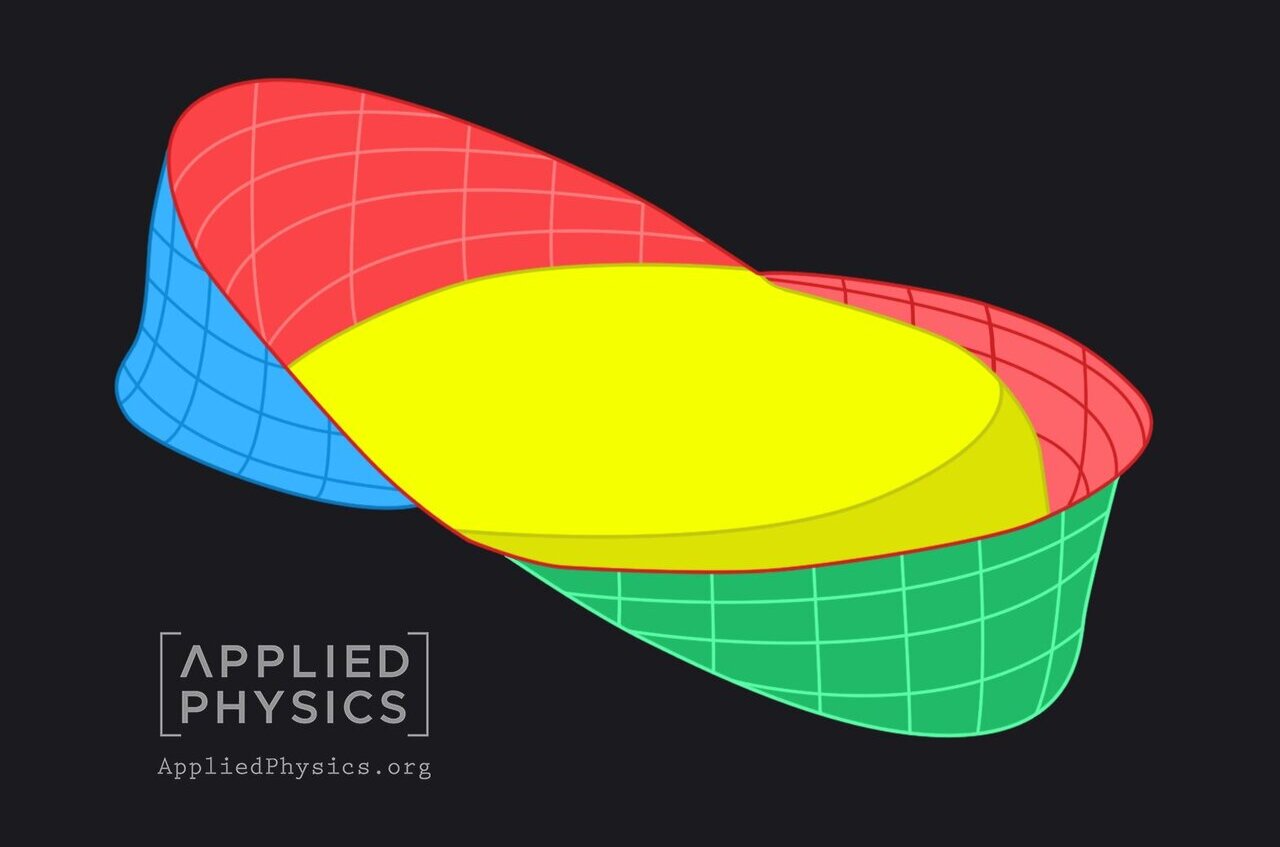
A pair of researchers at Applied Physics has created what they describe as the first general model for a warp drive, a model for a space craft that could travel faster than the speed of light, without actually breaking the laws of physics. Alexey Bobrick, and Gianni Martire have written a paper describing their ideas for a warp drive and have published it in IOP's Classical and Quantum Gravity.
Bobrick and Martire start with the idea of an Alcubierre warp drive, a concept developed by Miguel Alcubierre in 1994—he envisioned it as spacecraft that could contract space time in front of the vehicle while expanding it behind the craft. But such a craft would require a massive amount of negative energy, which would not be feasible for a real spacecraft. Bobrick and Martire suggest instead that a massive gravitational force could be used to bend space time. The trick is finding a way to compress a planet-sized mass to a manageable spacecraft-module size in order to use its gravity.


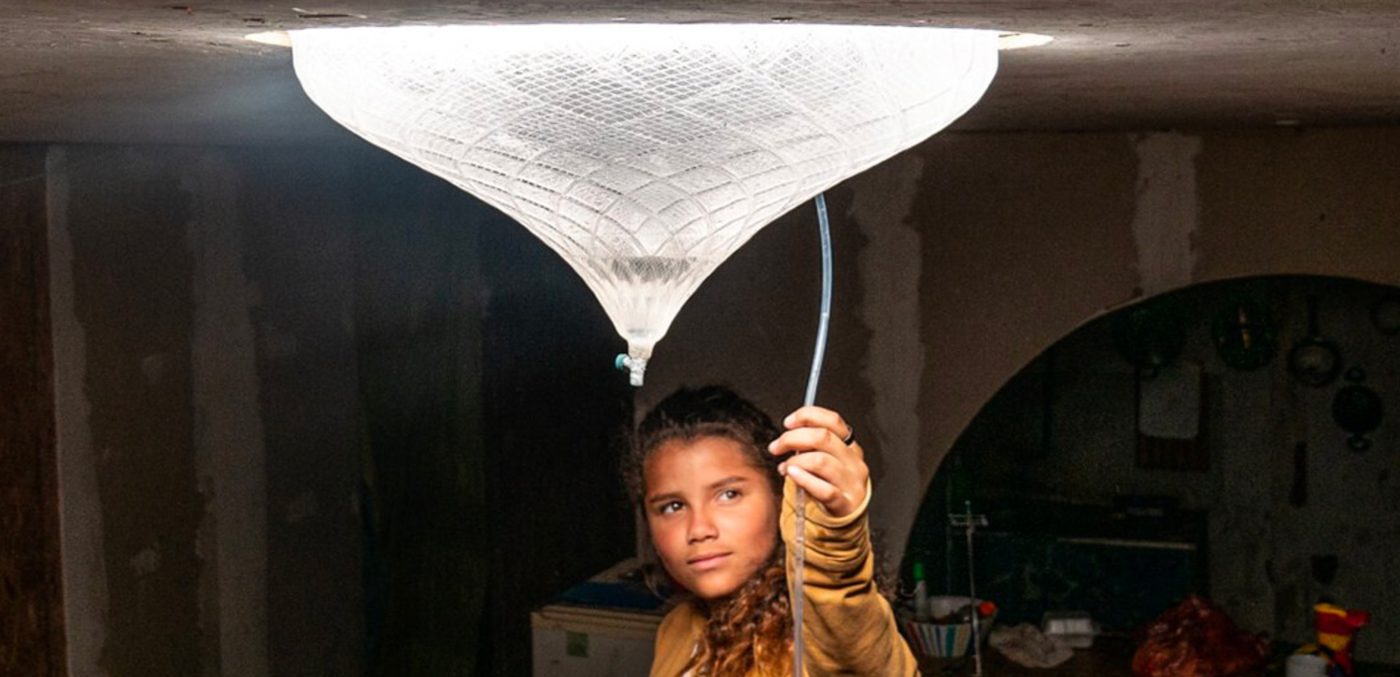
 www.goodnewsnetwork.org
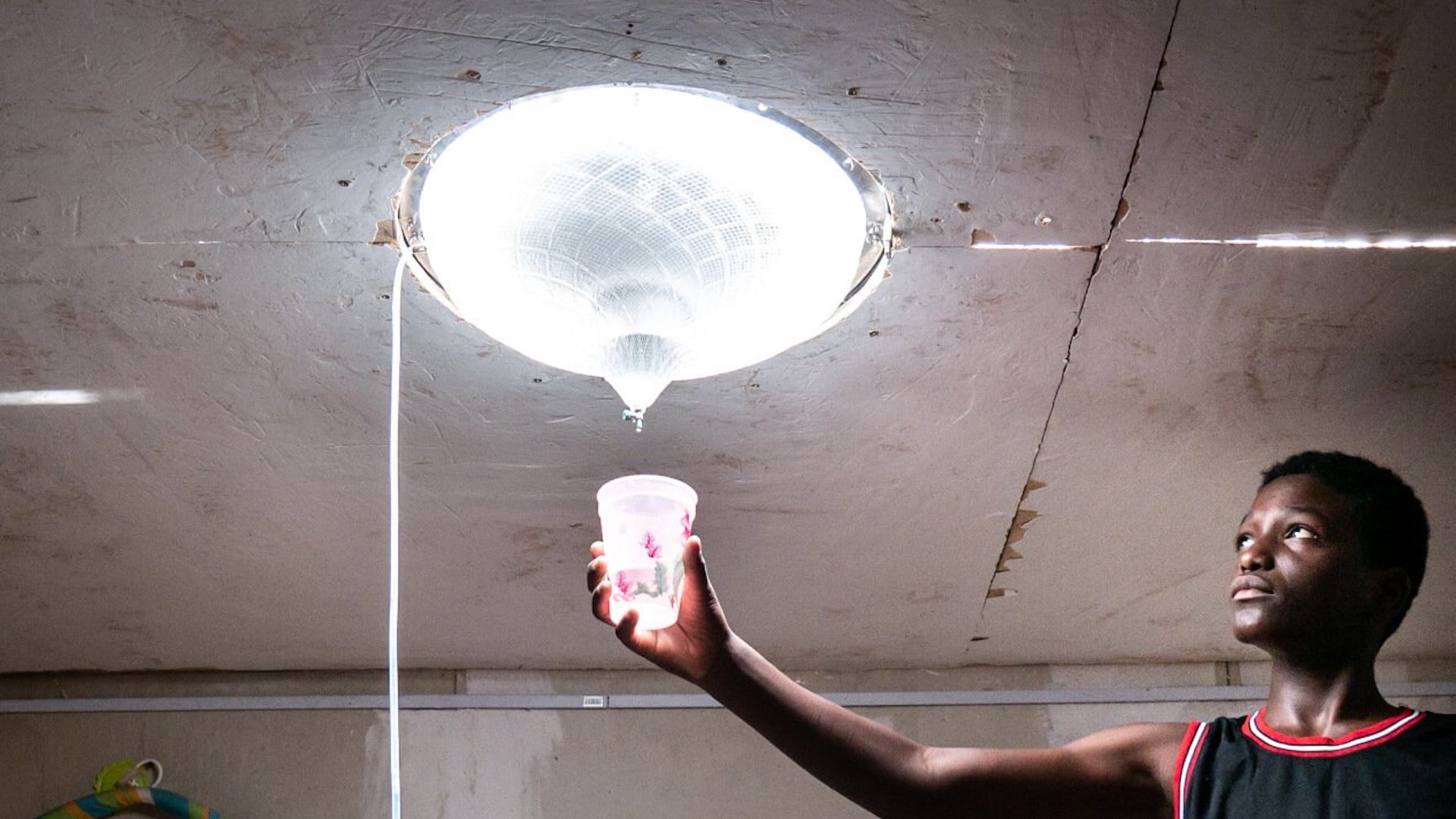
 www.slashgear.com

*Some* - like the evil ones!
The cool kids are always evil.*Some* - like the evil ones!
When these sea slugs eat a certain type of algae they can photosynthesize their food from sunlight and oxygen, just like a plant, for about 10 days, Yusa said. What’s probably happening after decapitation is that the head sort of acts like a plant, he said. It turns a shade of green and gets its energy from oxygen and sunlight. The fact that it becomes tiny helps, he said.


I have a personal Conspiracy Theory (???) That Dinosaurs were actually an advanced civilization that left Earth. A lot of the minerals we mine up are the remains of their structures.

I am intrigued by your theory and would like to subscribe to your newsletter.I have a personal Conspiracy Theory (???) That Dinosaurs were actually an advanced civilization that left Earth. A lot of the minerals we mine up are the remains of their structures.
Thank you for coming to Shitty TED Talks.

I can find no evidence that this disease will totally wipe out the cocoa plants. Just this tweet.More bad news.

Sounds like a Marvel Avengers fanfic I read, except that they used Celestials . Why can't fun things like this be a conspiracy theory?I am intrigued by your theory and would like to subscribe to your newsletter.
It doesn't have to wipe out the plant species, just make the industry unprofitable or unrecognizable.I can find no evidence that this disease will totally wipe out the cocoa plants. Just this tweet.
Cacao swollen shoot virus
Perhaps Anne Simon would be viewed as alarmist by others in her field (I don't know), but the problem is quite real. A reply to her tweet by virologist @masteriwagra remarks:(CSSV) is a plant pathogenic virus of the family Caulimoviridae that primarily infects cacao trees. It decreases cacao yield within the first year of infection, and usually kills the tree within a few years. Symptoms vary by strain, but leaf discoloration, stem/root swelling, and die-back generally occur. The virus is transmitted from tree to tree by mealybug vectors. It was first discovered in Ghana in 1936, and is currently endemic in Togo, Ghana and Nigeria. Over 200 million trees have already been claimed by this disease, which has prompted Ghana to launch the most ambitious and costly eradication effort of any country in the world against a viral plant disease.
While in no danger of outright extinction, the most common edible banana cultivar Cavendish (extremely popular in Europe and the Americas) could become unviable for large-scale cultivation in the next 10–20 years. Its predecessor 'Gros Michel', discovered in the 1820s, suffered this fate. Like almost all bananas, Cavendish lacks genetic diversity, which makes it vulnerable to diseases, threatening both commercial cultivation and small-scale subsistence farming. Some commentators remarked that those variants which could replace what much of the world considers a "typical banana" are so different that most people would not consider them the same fruit, and blame the decline of the banana on monogenetic cultivation driven by short-term commercial motives.


