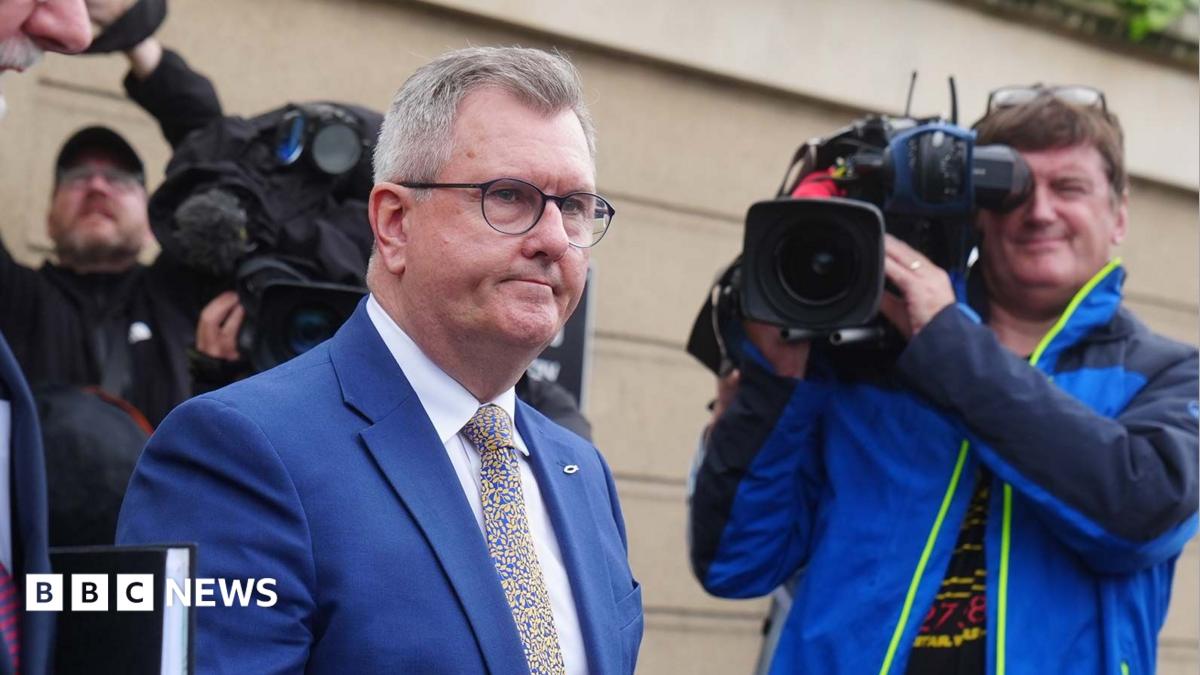
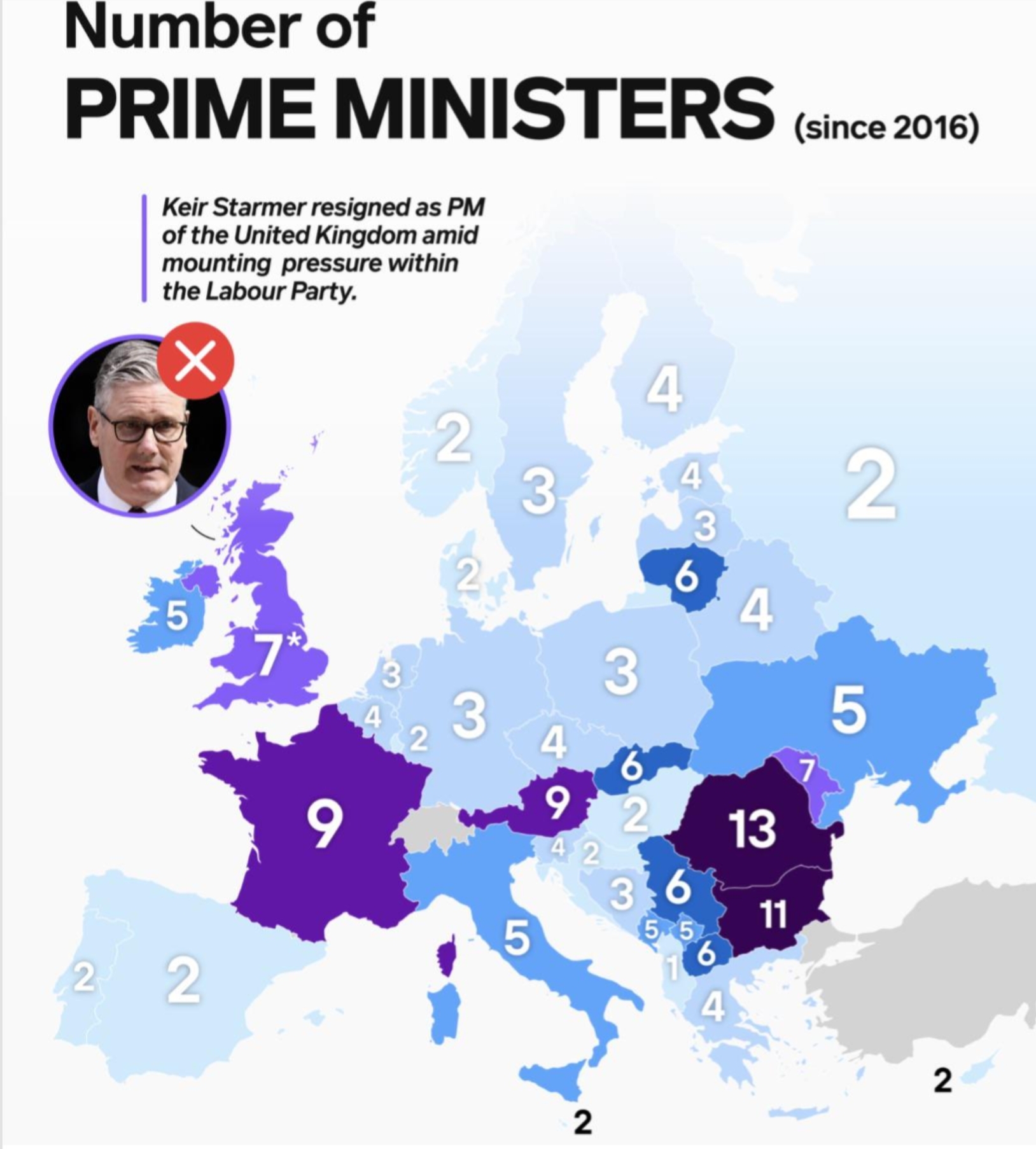
We had a very significant by-election -- significant for the UK, at least -- in Makerfield yesterday. The election was triggered because the sitting Labour MP had resigned in order to give Andy Burnham, a former Labour MP and, until the election, the very popular mayor of Manchester, a route back into parliament. Now he's an MP again, he's widely expected to challenge our deeply unpopular Prime Minister for the leadership of the Labour Party which, if he wins (as he is widely expected to) will mean he also replaces Starmer as Prime Minister.
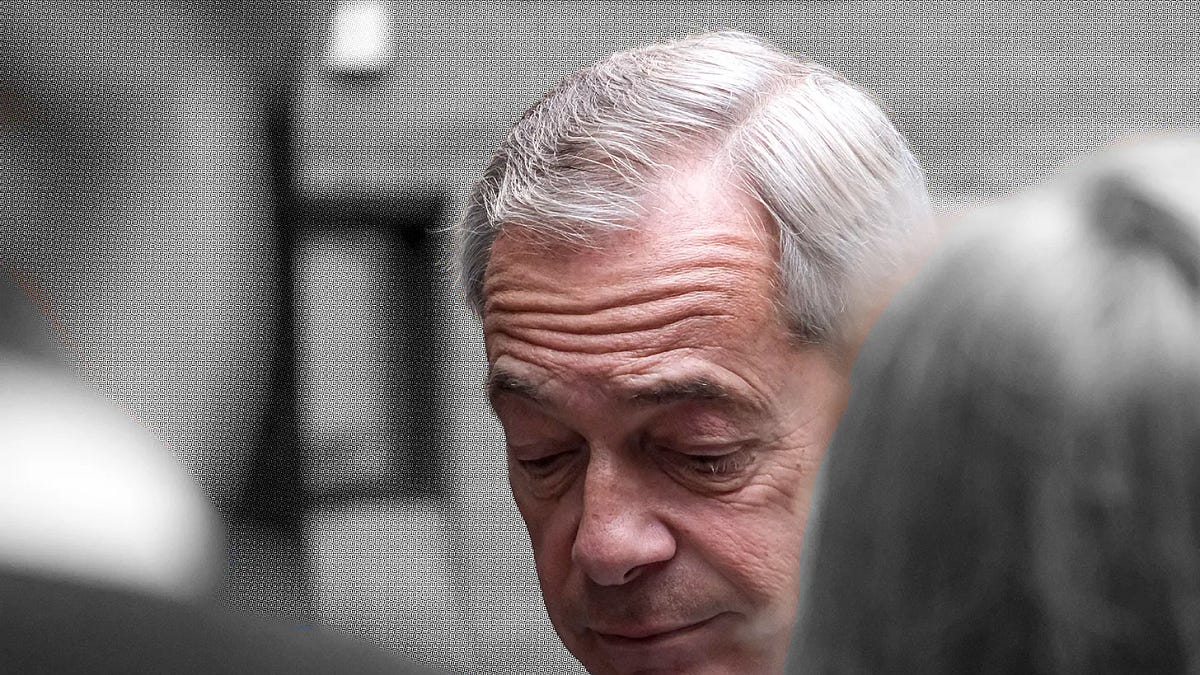
The result is particularly significant in that it represents a very convincing defeat for Nigel Farage's far-right Reform party in a seat that is variously reported to have been either 10th or 13th on their lists of target seats in a general election and which their candidates won with over 50% of the votes cast in last month's local elections.
Burnham completely reversed that, winning 55% of the votes cast, an increase of 10% over the result in the 2024 general election. Between them, Reform and another far-right splinter party, Restore, which is even more right-wing than Reform, won only 42% of the vote, with the other main parties distantly behind them.
Andy Burnham not only retained the share of the vote Labour won in the seat in 2024 but increased it.

www.bbc.co.uk
What's particularly significant, at least to my mind, is, as the commentator Adam Bienkov puts it
how deeply out of touch most of the British media is with what is actually happening in the country.
At the start of the Makerfield campaign, most publications quickly published pieces about how the constituency was “turning to Reform” despite it being obvious from the start that Burnham had a very good chance of winning.
Farage's refusal to learn any lessons from voters' repeated rejection of his 'politics of rage' shows why his time at the top could soon come to an end

www.adambienkov.co.uk
Evernote Link
As it quickly became clear that this was the case, the press instead turned towards the narrative that the contest would somehow be “gifted” to Labour by Rupert Lowe and his far-right Restore Britain party splitting the vote on the right.
In reality not only did Burnham win more votes than Reform and Restore, but he won more votes than all other rival parties combined.
This huge win was an outcome that almost no commentators saw coming, despite almost the entire British press decamping en masse to the constituency.
Similarly, back in 2019, when Boris Johnson's Conservatives defeated Jeremy Corbyn's Labour Party, everyone pretty much wrote off Labour for the foreseeable future, and certainly no one then expected that Johnson would have to resign in three years' time or that Labour would win a landslide victory in 2024.
In the same way, it came as a complete shock to the media when in 2017 Theresa May called a surprise election in which she expected to defeat Jeremy Corbyn and Labour, and ended up losing her majority.
It reminds me what a surprise so many major political developments have been. I don't mean the surprises Trump throws at the world almost day-by-day. I'm thinking of events like Trump's victory in 2016 in the US and the outcome of the UK's Brexit referendum in 2026, which hardly anyone saw coming. Before that there was the banking crisis of 2007 -- 2008, or 9-11 in 2001, or the collapse of the USSR and of communism in central and eastern Europe in 1991 -- they all seemed to be a complete surprise to everyone.
Time and time again, professional commentators prove to be completely blindsided by events, but no one seems to notice and they just carry on regardless.