Cindy Claveau
Radical Left Degenerate
- Joined
- Sep 21, 2018
- Messages
- 3,488
- Location
- US

- SL Rez
- 2005
- Joined SLU
- June 2007
- SLU Posts
- 44403


 Gavin Newsom


Always reminds me of thisFinally there's a SS in the White House, or so...


Seriously, you'd think streaming companies would be going to great lengths to make sure their ads are the exact same volumes as the shows, so that people playing a show in the background don't suddenly hear a conspicuously blaring ad and interrupt what they're doing just to hit mute or skip the ad. Because surely Netflix doesn't get paid for a skipped ad, right? But if it's all the same volume, the background-streaming person doesn't even notice the ad, so the whole thing plays and the streaming provider gets paid for a view. That would make much more sense to me, unless I'm just completely misunderstanding how streaming services get paid for ads.



Since I spent a considerable chunk of my life producing commercials, and mostly the audio part, let me put it this way: loudness is way more complicated than you might think, and there is no easy, objective way to measure it.Seriously, you'd think streaming companies would be going to great lengths to make sure their ads are the exact same volumes as the shows, so that people playing a show in the background don't suddenly hear a conspicuously blaring ad and interrupt what they're doing just to hit mute or skip the ad. Because surely Netflix doesn't get paid for a skipped ad, right? But if it's all the same volume, the background-streaming person doesn't even notice the ad, so the whole thing plays and the streaming provider gets paid for a view. That would make much more sense to me, unless I'm just completely misunderstanding how streaming services get paid for ads.



Music recording studios have been doing this since the Eighties, with the aim of their songs being the loudest on the radio. When I play records recorded in the seventies, they sound so quiet compared to what's recorded today, and the effect this "loudness war" has had on recorded audio has been atrocious! The distortion in some songs is so perceptible, it renders many completely unenjoyable (I'm looking right at you, "Bleeding Love" by Leona Lewis)!Since I spent a considerable chunk of my life producing commercials, and mostly the audio part, let me put it this way: loudness is way more complicated than you might think, and there is no easy, objective way to measure it.
You've all probably seen a VU meter, which is supposed to tell you loudness. Pfffft. That thing is just the barest surface measurement. I can play you two productions that read the same on a VU meter, and you'll swear one is twice as loud as the other -- because it is!0
Compression*, equalization, and distortion all contribute to perceived loudness. Worse ... what's loud to you isn't to me because of my particular hearing deficits. AND, differences in loudness are different depending on how loud your monitor is.
Let me assure you, 100% of my clients favored LOUD, and I knew all the knobs to twist to deliver. Now, there are plug-ins for Cubase, ProTools, and such to automatically twist those knobs.
Your friendly local FM station probably has a box called an Optimod that processes all the audio coming out of the station. (It also turns the audio into an FM stereo signal and lights the stereo light on your radio, among other things.) Here's an old, "circa Casey" analog Optimod:
OMG, the memories! What an evil box. (Notice it has a lock on it to prevent errant DJ's from fiddling with the settings. Yeah, it was that powerful.)
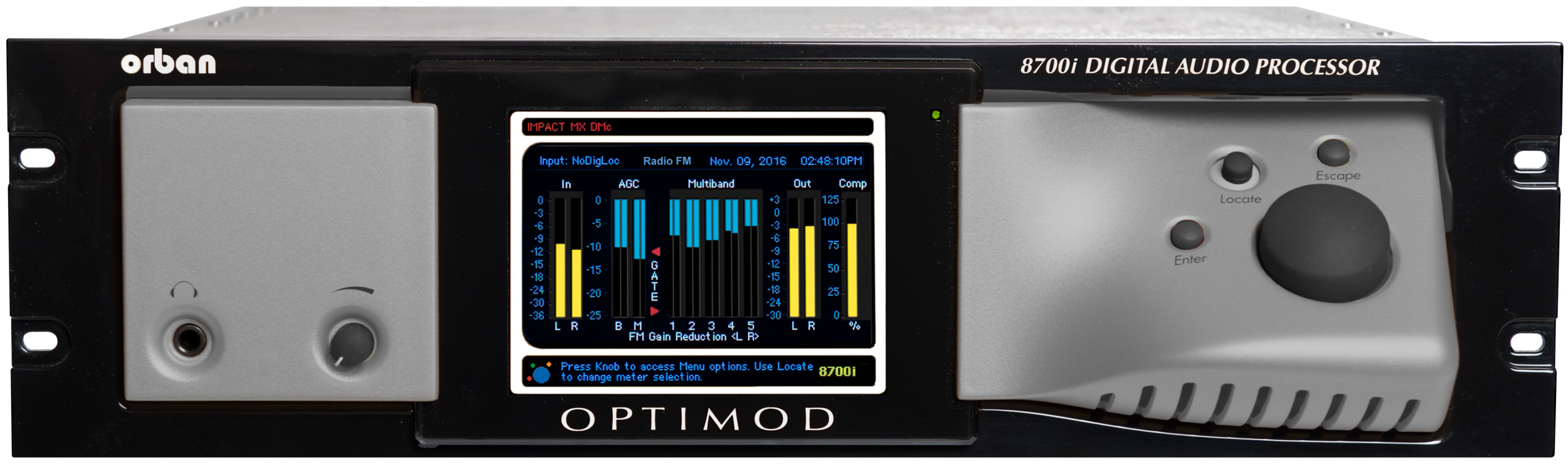
Here's the latest digital processor which lets you do much more audio destruction! It is an even more evil box.
It tends to make everything the same loudness -- reduces the "dynamic range" -- though even that is fairly easily defeated by a "good" producer. The object is to be the loudest station on the dial. (It is an arms race to the worst audio possible. And they wonder why terrestrial radio is dying.)
Netflix, etc, can't process the audio of their programs much. Movies tend to have much more dynamic range than promos, ads, trailers, and the like. Smashing a movie's dynamic range could easily get you assassinated by the director, assisted by the sound editor, music director, and sound designer.
Various entities have been trying to outlaw loud commercials for as long as I can remember. It has never worked, and it probably never will. Nice idea! Ain't gonna happen.
* To compress the audio is, basically, to make all the soft parts louder while keeping the loud parts the same.


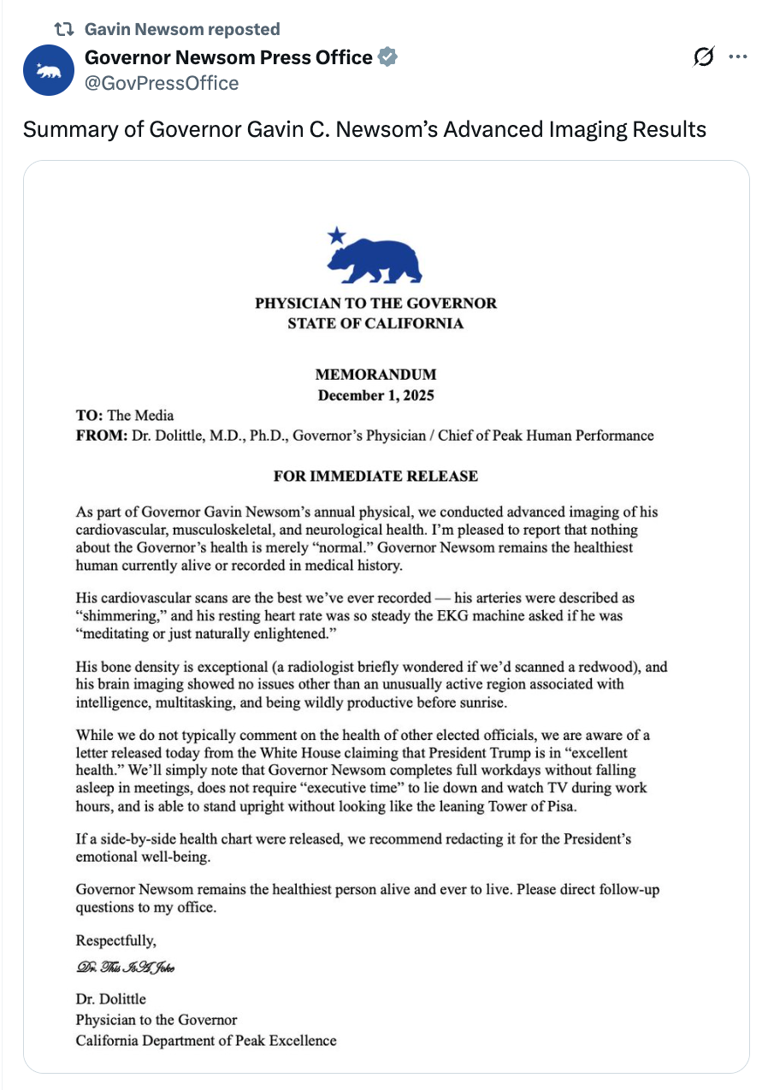
"I'm pleased to report that nothing about the Governor's health is merely "normal." Governor Newsom remains the healthiest human currently alive or recorded in medical history.