- Joined
- Sep 19, 2018
- Messages
- 9,979
- Location
- Ohio

- Joined SLU
- 02-22-2008
- SLU Posts
- 16791
That's up to us.This good for 4 or 8 years?
That's up to us.This good for 4 or 8 years?


That's up to us.


The climate accord is more symbolic than concrete action. It tells the world we are serious about it again. The action will come from federal budgets and laws.This good for 4 or 8 years?
This good for 4 or 8 years?It tells the world we are serious about it again


My personal opinion is the death of fossil fuels is inevitable. For example, through Oct 2020, coal dropped 37% since Trump took office, despite his efforts to support it. In the same period, renewables of all kinds grew 30%. The change is being driven by economics. Government policy can slow or accelerate the change, but it will happen regardless.This good for 4 or 8 years?


 earthsky.org

 www.propublica.org



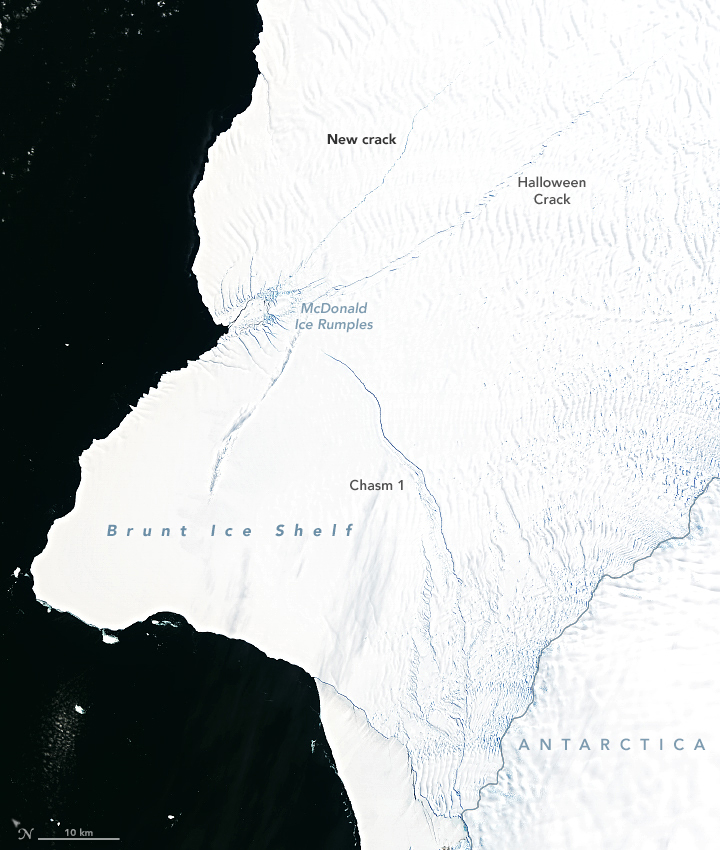
During the same period, ice loss from the Antarctic and Greenland ice sheets and mountain glaciers raised the global sea level by 1.36 inches. “The ice sheets are now following the worst-case climate warming scenarios set out by the Intergovernmental Panel on Climate Change,” Slater said in a statement. “Sea level rise on this scale will have very serious impacts on coastal communities this century.”

 www.theguardian.com



Yes, the death is invevitable because of peak oil. When fossil fuels get expensive the pressure will be finally there to move on to another type of energy source.My personal opinion is the death of fossil fuels is inevitable. For example, through Oct 2020, coal dropped 37% since Trump took office, despite his efforts to support it. In the same period, renewables of all kinds grew 30%. The change is being driven by economics. Government policy can slow or accelerate the change, but it will happen regardless.


Tesla motors has already been working on/released a long-ish haul truck that's electric. And considering that car companies are moving away from gas burning vehicles even now, I think it will be sooner than you think.Yes, the death is invevitable because of peak oil. When fossil fuels get expensive the pressure will be finally there to move on to another type of energy source.
You might now discuss if we are still before or after peak oil, fact is that it will happen. And the problem is not that there might be not much oil left in 50+ years, but when oil really gets expensive in let's say 5-10 years.
By the way the death of fossil fuels does not mean the death of ICEs in vehicles. I simply don't see the electrification in trucks, tractors, ships, air planes, heavy duty construction/agricultural machines coming. These are all types of machinery which want to get refilled quickly in order to be able to work within economic parameters.
So it's either synthetic fuels for them with ICEs or hydrogen with fuel cells and buffer battery.
The problem with synthetic fuels as well as hydrogen is the poor power efficiency, so high prices. But what we always want is cheap energy.
Or freight companies will have to make greater use of rail links (or waterways).What's dying is your fracking industry; the oil industry is alive and kicking, and will for a long time to come.
Have you ever read experience reports of drivers let's say using a Tesla Model X with a tow-bar and pulling a caravan with it? Towing a 1400 kg caravan with this doubles the energy consumptions and greatly reduces its range.
That's the problem with electrical trucks: you really do need a fat and heavy battery, and are limited to quite a short range. So it might be a thing for short distance trucking, if you are willing to spend the money and take the bet that the battery will last as long as a diesel engine, which is 1 million miles and more.
For long distance trucking though electrical trucks powered by batteries only are not a good option; there's a reason why companies like Nikola, Hyundai, GM, Mercedes and others are either researching or already producing fuel cell powered electrical trucks, because they do offer longer range at less refueling time. And you don't need to drive around such a thick battery pack like in Tesla's semi.
My husband works for a company handling their NQA [so nuclear quality], but one of the branches he works with started being primarily for oil, because its pipe stress - the oil industry is dying. I've also got friends with engineering spouses who worked in oil, and had to switch to something else, because the jobs. are. not. there.What's dying is your fracking industry; the oil industry is alive and kicking, and will for a long time to come.
Have you ever read experience reports of drivers let's say using a Tesla Model X with a tow-bar and pulling a caravan with it? Towing a 1400 kg caravan with this doubles the energy consumptions and greatly reduces its range.
That's the problem with electrical trucks: you really do need a fat and heavy battery, and are limited to quite a short range. So it might be a thing for short distance trucking, if you are willing to spend the money and take the bet that the battery will last as long as a diesel engine, which is 1 million miles and more.
For long distance trucking though electrical trucks powered by batteries only are not a good option; there's a reason why companies like Nikola, Hyundai, GM, Mercedes and others are either researching or already producing fuel cell powered electrical trucks, because they do offer longer range at less refueling time. And you don't need to drive around such a thick battery pack like in Tesla's semi.

 www.iea.org