- Joined
- Sep 20, 2018
- Messages
- 24,000

- SLU Posts
- 18459
I don't think anyone's suggested banning them from selling coffee, have they? As I understand it, they've been asked to explain how on earth it's a good idea thatI don't think the question is that simple though, because you can accept that excessive sugar consumption over the long term is unhealthful, but how does that translate when you're talking about an individual food item? Because Dunkin Donuts sells its drinks one at a time, and one excessively sugary drink isn't provably bad for you.
Put another way, if the amount of sugar in it is reason enough to ban Dunkin Donuts from selling coffee, then it's reason enough to ban any product with the same or greater amount of sugar in it from being sold by anyone else, because there's no way the local bakery knows you're not eating ten macaroons a day every day either. So suddenly you're not just talking about iced coffee, you're also talking about pies, jams and jellies, cakes, ice creams, tiramisu - practically any kind of sweet or confectionery.
when the recommended maximum daily sugar intake for adults is 30 grams.Flavored iced coffees at Dunkin’ can have between 18 and 67 grams of sugar, while the chain’s frozen beverages can range from 100 to 180 grams.
In the UK we have a sugar tax on pre-packaged soft drinks, to encourage companies to find lower sugar alternatives. It doesn't apply to freshly served drinks (like freshly-prepared iced coffees in the coffee shop rather than prepackaged ones in the coffee shop), though maybe it should. While, as you say, one excessively sugary drink isn't provably bad for you, that's not Dunkin Donuts' business model, is it? Or maybe they do price and promote these drinks as an occasional treat rather than something to enjoy every day or so?
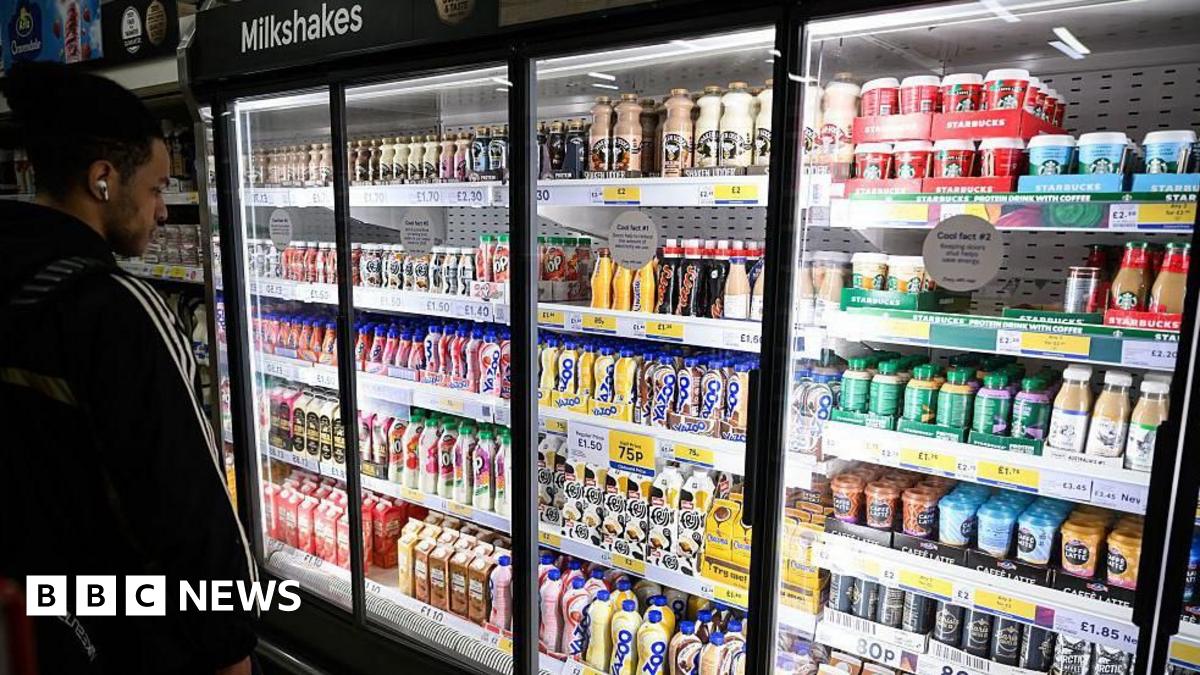
Sugar tax: What you need to know
Milkshakes and lattes to be included in UK sugar tax scheme for the first time.
 www.bbc.co.uk