


- Joined
- Sep 20, 2018
- Messages
- 24,262

- SLU Posts
- 18459


He was planning to kill Sollozzo and Captain McCluskey in front of the Sbarro's.A German soldier is arrested trying to retrieve a loaded gun from an airport toilet.


 www.mprnews.org
Well, yes. Quite. However, I dug a bit deeper into the story and found this.I think it's good that the artist is reportedly on board with the dismantling plan, although of course we don't know how much of that is voluntary vs. not really.
Obviously it wasn't the artist's intention to glorify the mass-hanging of the Dakota; it was an anti-capital punishment piece. But there's an important lesson to be learned about sensitivity toward victims of atrocities when depicting them in art, even if the message of the art is supposed to be "this wasn't right".
In his own statement, the artist explained that he created the piece "as a learning space for people like me, white people who have not suffered the effects of a white supremacist society and who may not consciously know that it exists."
If "Scaffold" is removed, the learning space may offer some lessons different from those Durant intended.
 www.mprnews.org
It can't have been that similar then, can it? What's objectionable about the piece is no one thought to ask the Dakota about it first, and how they thought the hanging should be commemorated, and by whom.A similar work apparently caused no such uproar in Europe.


Authorities are exploring evidence that Nashville, Tennessee, bombing suspect Anthony Quinn Warner was interested in various conspiracy theories, sources familiar with the investigation told ABC News.
The theories include ones involving "lizard people" -- a belief that shape-shifting reptilian creatures appear in human form and are bent on world domination.
Warner, 63, of Antioch, Tennessee, is also believed to have spent time hunting for alien life forms in a nearby state park, sources said.
I have been peeking into r/conservative and it seems a wind is blowing there. They have been showing increasing dismay, first at Trump signing the $600 stimulus and now at McConnell doing this. Of course, these things can only be witnessed not long after the news breaks because the moderators delete their posts within a day or so. There are entire threads with damn near nothing but deleted posts'; threads in which I have seen them post their anger, dismay, calls for aid and so on, only to see those very same posts deleted, across the board. I'm not talking about a few, but a very large number. Now, they require their users to be flaired to post, meaning they have their own little safe space, must show proven conservatism, so this is important that even they are turning.
The only one who doesn't want this seems to be McConnell.
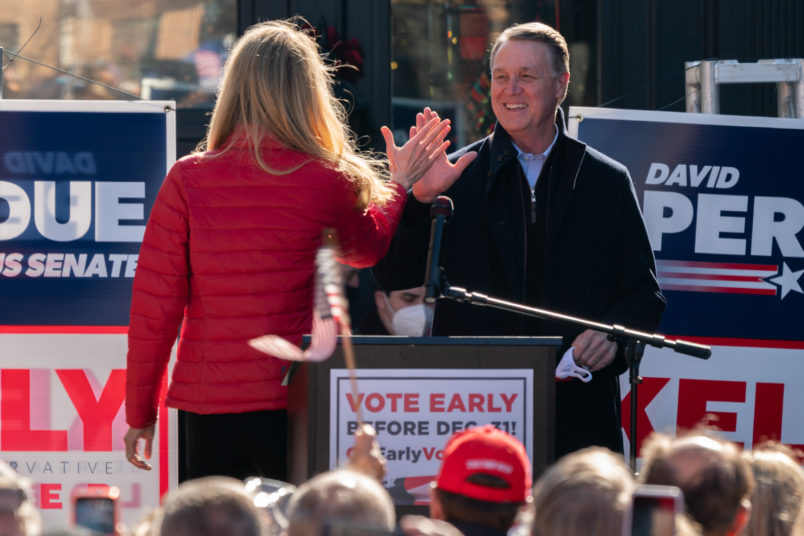
Under Election Pressure, Loeffler And Perdue Back Trump and Dems' Push For $2,000 Checks
Sens. Kelly Loeffler (R-GA) and David Perdue (R-GA) on Tuesday indicated they would support President Donald Trump and congressional Democrats’...talkingpointsmemo.com


Can get your dose at r/leopardsatemyfacer/conservative


Nah..It's much better to see it real time, if one is available to see it as the instantaneous reaction that happens after a major event. I think it gives a much better feel for it. But, it IS a bit of being in the right place at the right time since they have rapid censorship. If lucky you see it without any sort of filer.Can get your dose at r/leopardsatemyface
Sample
Nah..It's much better to see it real time, if one is available to see it as the instantaneous reaction that happens after a major event. I think it gives a much better feel for it. But, it IS a bit of being in the right place at the right time since they have rapid censorship. If lucky you see it without any sort of filer.
Lifelong Kentucian, eh? Let us just say that I have my doubts either due to authenticity or intelligence. Could go either way, to be honest.Can get your dose at r/leopardsatemyface
Sample

I don't know about Kentuckian, but he's definitely American - "I also don't give a fuck about the money going to foreign countries. Fuck them.".Lifelong Kentucian, eh? Let us just say that I have my doubts either due to authenticity or intelligence. Could go either way, to be honest.
>> I have voted for Mitch many many times mainly because he obstructs the Democrats agenda.Sample


 www.cnn.com

 www.cnn.com


