


- Joined
- Sep 20, 2018
- Messages
- 3,939
I can smell the patchouli oil in any picture of that guy. Btw, who the f*** is he, anyways?I can hear this picture.
I can smell the patchouli oil in any picture of that guy. Btw, who the f*** is he, anyways?I can hear this picture.


 www.bbc.com


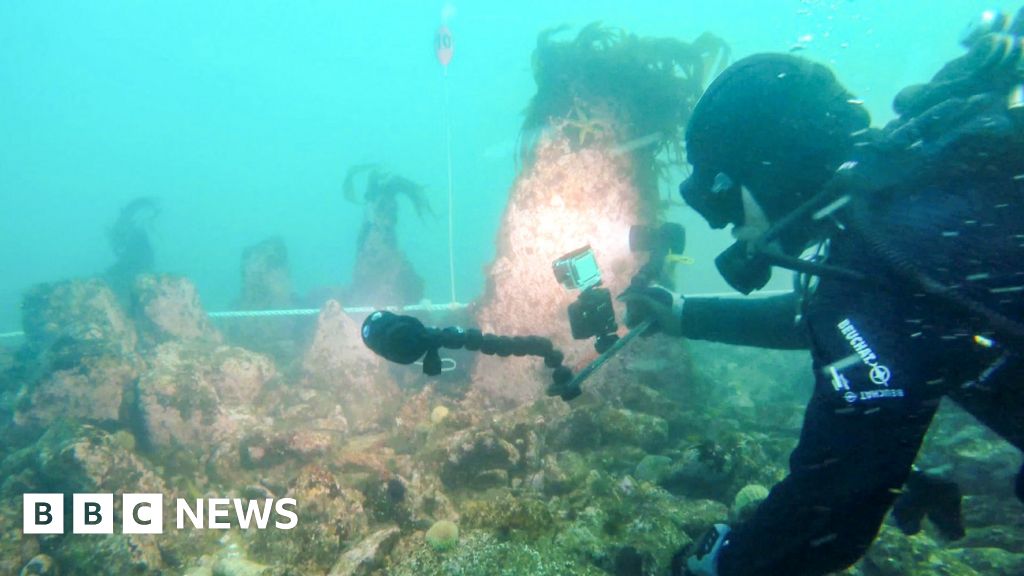
That date makes a lot more sense to me than the 50,000 years ago that had previously been proposed. Modern humans didn't acquire fire because of increased brain capacity. Instead, we became modern humans because we had fire.
This 400,000-Year-Old Campfire Could Rewrite Human History
Humans likely harvested their first flames from wildfire. When they learned to make it themselves, it changed everything.gizmodo.com
350,000 years earlier than believed. That is quite a leap backwards.
Neanderthals never truly disappeared.
They were absorbed into our ancestors through thousands of years of interbreeding, and they live on in the DNA of nearly everyone alive today.


This makes me wonder about the extent to which earlier theories about Neanderthals going extinct because of competition with Homo Sapiens were the result of the then evidence, such as it was, being interpreted through the ideological prism of "race science," such as The Passing of the Great Race..


I don't see those two theories to be incompatible, along with theories about changing weather patterns and humans working with dogs. There is far less likely to be one single factor than there is death by thousand cuts. As Neanderthal population numbers dropped (for any number of reasons), the pressure to integrate with, rather than separate from, modern human groups would have intensified.This makes me wonder about the extent to which earlier theories about Neanderthals going extinct because of competition with Homo Sapiens were the result of the then evidence, such as it was, being interpreted through the ideological prism of "race science," such as The Passing of the Great Race..


 arstechnica.com
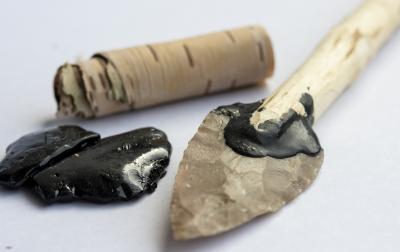
Neanderthals may have used birch tar as more than just glue; it could have helped them ward off infection and even insect bites.
People from several modern Indigenous cultures, including the Mi’kmaq of eastern Canada, use tar from birch bark to treat skin infections and keep wounds from festering. We know from several archaeological sites that Neanderthals also knew how to extract birch tar and that they used it as an adhesive to haft weapons. A recent study tested distilled birch tar against the bacteria S. aureleus and E. coli and found that Neanderthals could easily have used the same material as medicine for their frequent injuries.
 arstechnica.com
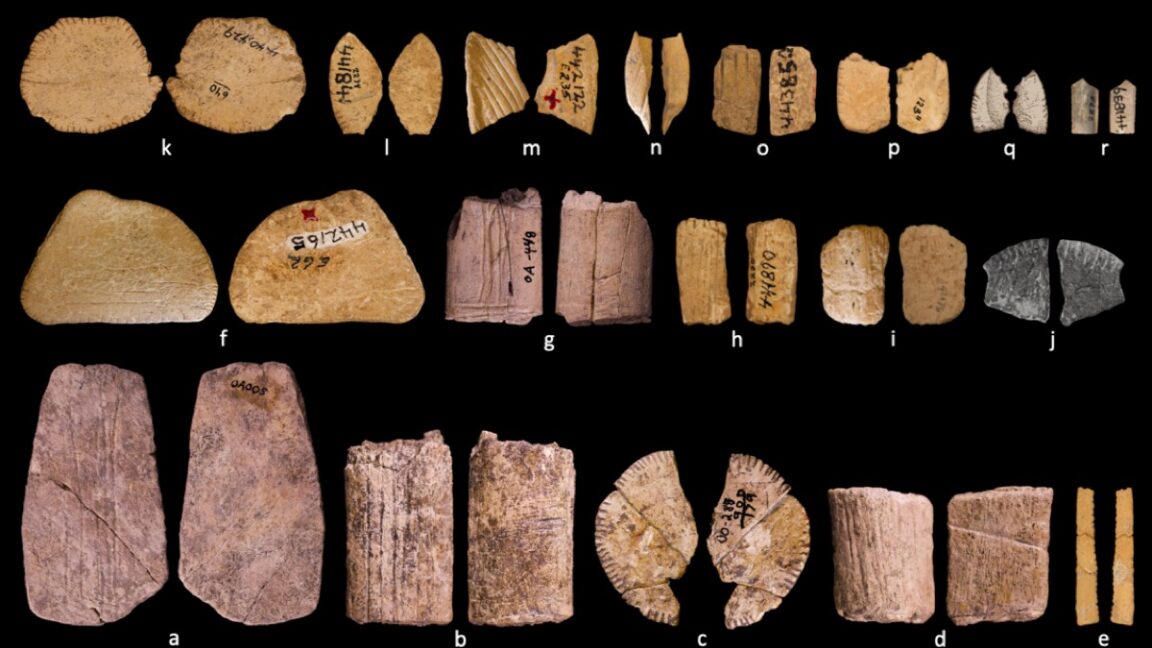
Native Americans have been playing with dice in games of chance for more than 12,000 years, according to a new paper published in the journal American Antiquity. And the oldest examples of Native American dice predate the earliest currently known dice in the Old World by millennia.
“Historians have traditionally treated dice and probability as Old World innovations,” said author Robert Madden, a graduate student at Colorado State University. “What the archaeological record shows is that ancient Native American groups were deliberately making objects designed to produce random outcomes, and using those outcomes in structured games, thousands of years earlier than previously recognized.”
 arstechnica.com
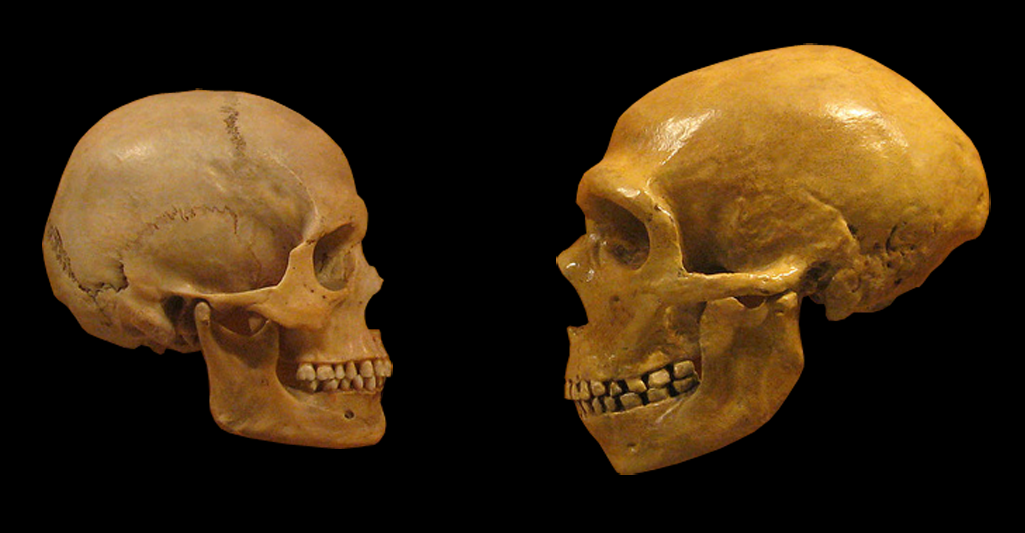
If you look at a Neanderthal skull and a Homo sapiens skull, they’re visibly different: Neanderthal skulls are lower and longer, whereas ours tend to be rounder. However, those differences probably don’t say much about the brains within them, according to a recent study, which compared MRI scans of modern people’s brains with casts of the inside of Neanderthal skulls.
The results suggest that there’s more variation in brain size among modern people than between Neanderthals and Pleistocene Homo sapiens. And because brain size is actually a terrible way to predict cognitive capability, Neanderthals could have been a lot more like us than some previous studies have claimed, which definitely fits what the archaeological record tells us about how they lived. It would also mean that our species probably didn’t out-compete the Neanderthals by being smarter or more adaptable.
Love how the author concludes with.We’ve been very wrong about Stone Age women
“Never assume” is a golden rule – especially when looking at 10,000-year-old human remainsjonn.substack.com
Free to read, I think.
Any proof that it wasn’t always thus, any scientific research that complicates the human story, is a challenge to their power. The idea that human flexibility – not human nature – rules is a threat.


