

Nobody Cares about History
- Thread starter Kamilah Hauptmann
- Start date


- Joined
- Sep 20, 2018
- Messages
- 15,153
- Location
- Cat Country (Can't Stop Here)

- SL Rez
- 2005
- Joined SLU
- Reluctantly


- Joined
- Sep 22, 2018
- Messages
- 42,672
- Location
- Moonbase Caligula

- SL Rez
- 2008
- Joined SLU
- 2009
- SLU Posts
- 55565
Sometimes, reading about history pays off.
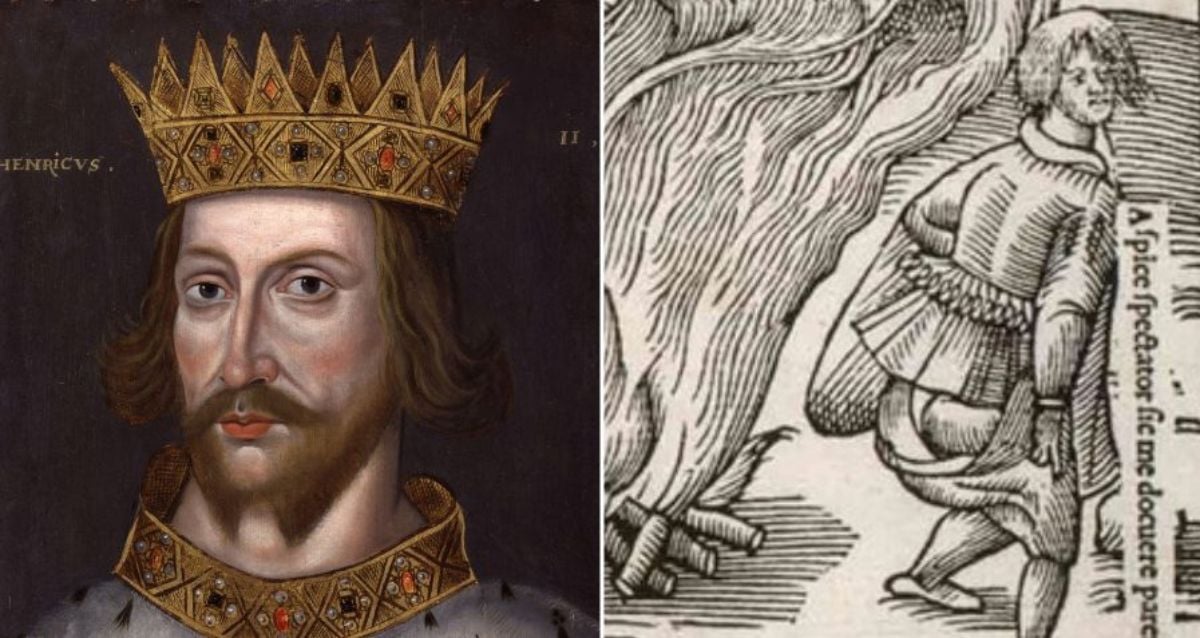
 allthatsinteresting.com
Roland The Farter, King Henry II's Beloved Jester Who Farted His Way To Land Ownership
Henry II reportedly awarded his jester a manor house and 30 acres.
allthatsinteresting.com
Roland the Farter, or Roland le Petour, was a 12th-century jester known for his comedic acts involving flatulence. He captivated the court of King Henry II, and his performances earned him entitlements uncommon for someone of his social status.
In exchange for performing a simultaneous jump, whistle, and fart for the king each Christmas, Roland was awarded a manor house and 30 acres of land in Suffolk. Little else is known about his life, but it’s evident that he was a royal favorite.


- Joined
- Sep 20, 2018
- Messages
- 24,019

- SLU Posts
- 18459
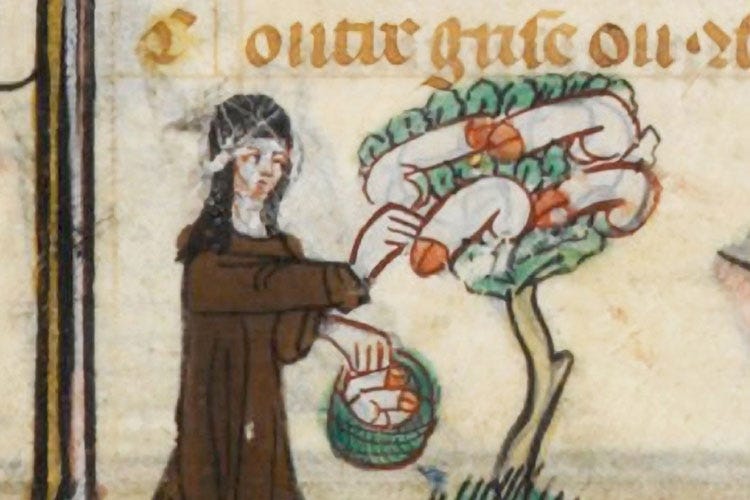
Female Sodomy: The Case of Katherina Hetzeldorfer
Hello folks! Happy New Year and with apologies for the quiet, I'm excited to write about an intriguing queer history case that has been on my mind as I finish up book 2...
 gabbystorey.substack.com


- Joined
- Sep 20, 2018
- Messages
- 24,019
- SLU Posts
- 18459
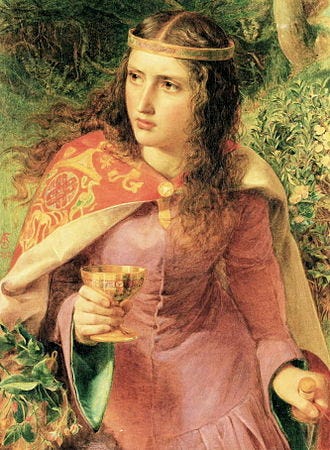
Women and Power: Beyond Exceptionalism
Why do we still think of medieval women who held power as exceptional?
gabbystorey.substack.com
- Joined
- Sep 22, 2018
- Messages
- 42,672
- Location
- Moonbase Caligula
- SL Rez
- 2008
- Joined SLU
- 2009
- SLU Posts
- 55565
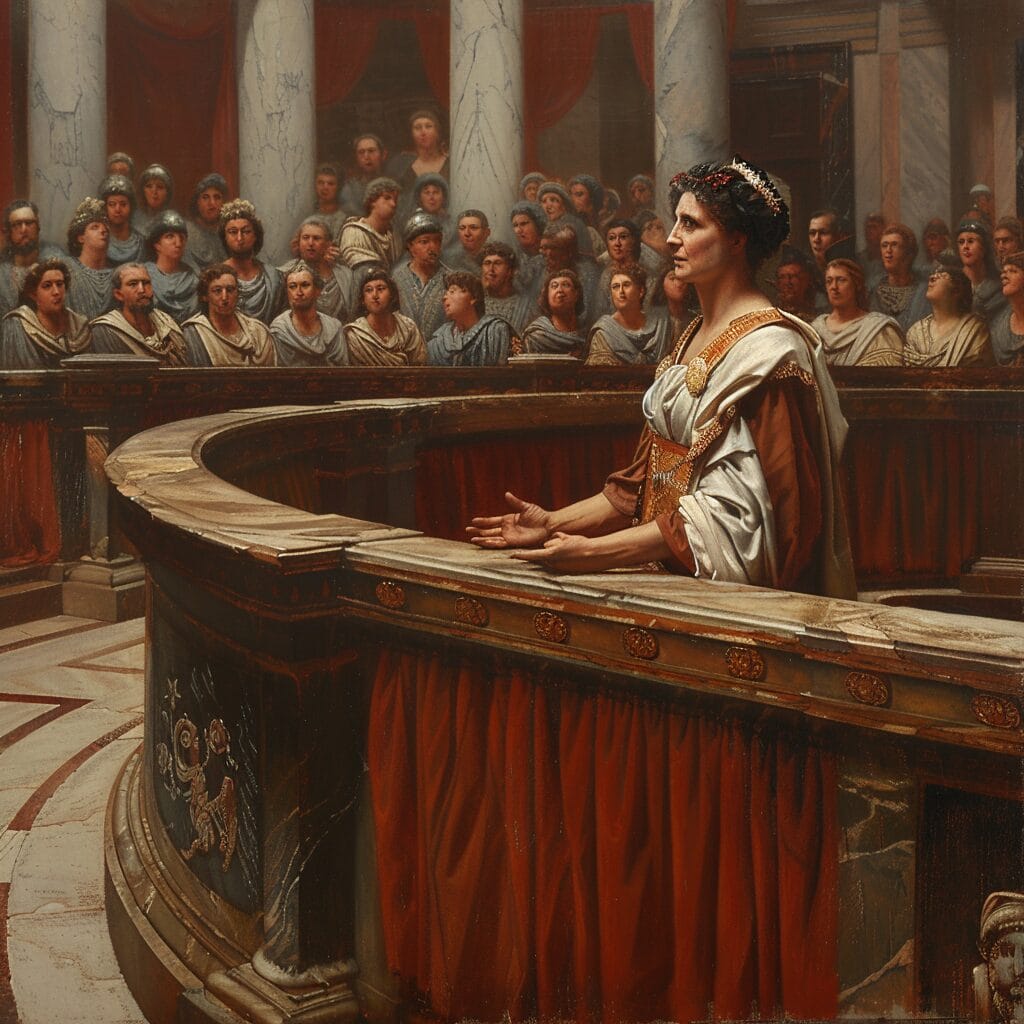
Hortensia: The 1st woman to speak in the Roman Senate
Discover the impact of the Romans with Hortensia Orator: The First Female Jurist. From maps to language and entertainment, explore how their legacy still
 roman-empire.net
Despite the restrictions on women’s political participation, there were some women in ancient Rome who were able to make their voices heard. One example of this is Hortensia, a woman who delivered a powerful speech in 42 BC. In her speech, she argued against a tax that was being imposed on women.
Her speech was remarkable because it was one of the few examples of a woman speaking out in public in ancient Rome. Her oration was not only a protest against the specific tax in question but also a challenge to the gender dynamics of the Roman Republic.
- Joined
- Sep 20, 2018
- Messages
- 24,019
- SLU Posts
- 18459
Did the Pope Conspire to Kill Abraham Lincoln? (Evernote Link because paywall)
Spoiler: No, he didn't.
Spoiler: No, he didn't.

Argent Stonecutter
Emergency Mustelid Hologram
- Joined
- Sep 20, 2018
- Messages
- 7,543
- Location
- Coonspiracy Central, Noonkkot

- SL Rez
- 2005
- Joined SLU
- Sep 2009
- SLU Posts
- 20780

- Joined
- Sep 22, 2018
- Messages
- 42,672
- Location
- Moonbase Caligula
- SL Rez
- 2008
- Joined SLU
- 2009
- SLU Posts
- 55565
But did he keep him out of Heaven?Spoiler: No, he didn't.
- Joined
- Sep 20, 2018
- Messages
- 15,153
- Location
- Cat Country (Can't Stop Here)
- SL Rez
- 2005
- Joined SLU
- Reluctantly
- Joined
- Sep 20, 2018
- Messages
- 24,019
- SLU Posts
- 18459

5 Women You Oughta Know This Women's History Month
Whilst there’s some right royal attention being paid to Christina of Sweden (for paid subscribers) and Jadwiga of Poland next week for Women’s History Month, here’s a few other wonderful women from history we oughta know more about this month (yes, I am riffing Alanis Morrisette, and she is...
gabbystorey.substack.com
- Joined
- Sep 20, 2018
- Messages
- 24,019
- SLU Posts
- 18459

The Garden of Forking Paths | Brian Klaas | Substack
Wandering around an infinitely complex, ever-changing world. Click to read The Garden of Forking Paths, by Brian Klaas, a Substack publication.
 www.forkingpaths.co
Evernote Link because free subscription requiredA strange tale of King Cnut's femur, ancient DNA, religious belief on bodies and souls, and a debate over what constitutes a person after death.

Isabeau
Merdeuse
- Joined
- Sep 20, 2018
- Messages
- 9,387
- Location
- Montréal

- SL Rez
- 2007
- Joined
- Sep 20, 2018
- Messages
- 24,019
- SLU Posts
- 18459

Aelred of Rievaulx and Rules for a Recluse
If you spend enough time with medieval monks, it may seem that they thought about sex, a lot. Of course, many of those who chose a religious life were intensely devoted to their beliefs, way of life, and commitment to God, but if the historical evidence has shown us anything, it is that sex was...
gabbystorey.substack.com
If you spend enough time with medieval monks, it may seem that they thought about sex, a lot. Of course, many of those who chose a religious life were intensely devoted to their beliefs, way of life, and commitment to God, but if the historical evidence has shown us anything, it is that sex was a troubling matter both in and out of the cloth. Whilst women who loved women are more difficult to find in the archives and literature than their male counterparts, they are nevertheless there, and did plague the mind of many a monk or preacher. But what if the preaching monk in question toed the line between hypocrisy and hope for the salvation of the sinners?
- Joined
- Sep 20, 2018
- Messages
- 24,019
- SLU Posts
- 18459
A pair of scholarly, though accessible, articles on an old chestnut



- Joined
- Sep 20, 2018
- Messages
- 15,153
- Location
- Cat Country (Can't Stop Here)
- SL Rez
- 2005
- Joined SLU
- Reluctantly
I was just reading about Charlemagne and am ready to rename him Genocide Chuck.