


- Joined
- Sep 20, 2018
- Messages
- 24,402

- SLU Posts
- 18459



 florencehrs.substack.com

Thus was born Der Chef (the Chief). Apparently broadcasting from station Gustav Siegfried Eins in Germany or occupied Europe (in fact from Britain), Der Chef was a foul-mouthed German nationalist, who disliked Jews and Winston Churchill, who loved the army but hated the corrupt and venal Nazi bureaucrats.
Using real information gleaned from contacts in Germany, and filed on a card index system, Der Chef would rattle off the various crimes of hoarding and indulging in luxury committed by named members of the Parteikommune while ordinary Germans suffered wartime privation.
To spice this up there would be sexual allegations against the SS, described in pornographic detail and borrowing from the interwar research of the sexologist Magnus Hirschfeld. Sadomasochism and buttocks featured frequently. Pretty soon – though it was a crime to listen – Gustav Siegfried Eins was one of Germany’s most popular stations.
Der Chef was just one of the early Delmer interventions. Others, purporting to be broadcast by servicemen, displayed detailed knowledge of the life of the ordinary grunt, and always played on the gap between the “good” army and the “bad” party, and always suggested the strange emptiness at the heart of jingoism.


Even governments don't really know what they all say. Many state officials told NPR that they have no idea what signs are in their state, what stories they tell or who owns them.
And while markers often look official, the reality is that anyone can put up a marker — more than 35,000 different groups, societies, organizations, towns, governments and individuals have. It costs a few thousand dollars to order one.
Over the past year, NPR analyzed a database crowdsourced by thousands of hobbyists, looking to uncover the patterns, errors and problems with the country's markers. The effort revealed a fractured and often confused telling of the American story, where offensive lies live with impunity, history is distorted and errors are sometimes as funny as they are strange.


One of the closest historical markers to here is surely authentic, but is along an on/off ramp to route 73 with nowhere to park so good luck seeing it unless you know it is there.


 www.rollingstone.com

 www.forkingpaths.co


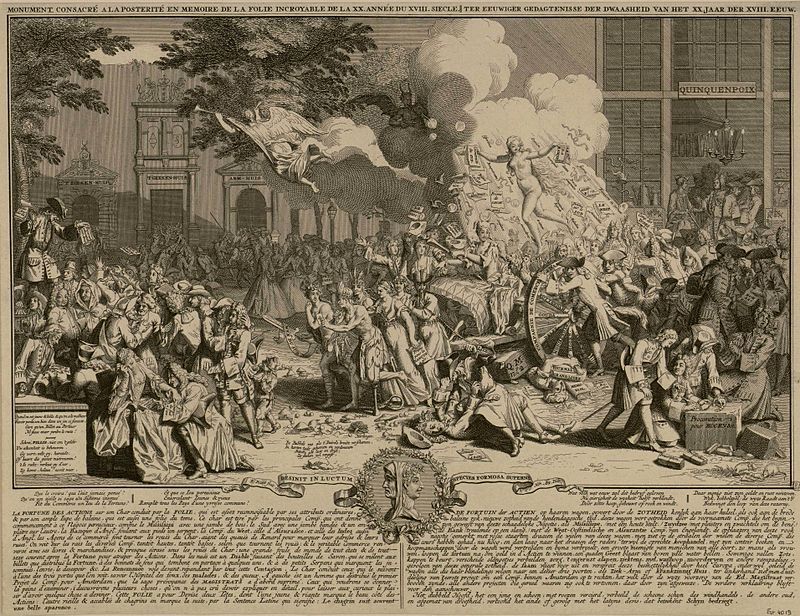
Let's just say the first effort involving your typical marketing campaign of something like "Louisiana is a great place to live!" didn't work out so well.In 1716, France was in trouble. The treasury had been exhausted by the long reign of Louis XIV whose wars had all but bankrupted the country. France needed a path forward and reducing spending was not something Louis XIV was willing to consider. So he turned to economist John Law. John Law proposed a new idea in which the national debt was transferred to the Banque Royale in exchange for substantial privileges. John Law’s plan was to repay the debt using profits from his Mississippi Company which hoped to get substantial revenues from the opening up of the Mississippi Valley. His company was granted a monopoly on trade and mineral wealth. On paper the company looked like a guaranteed success, the truth was not quite so easy.
There was a problem, at the time there were only 700 Europeans in Louisiana at the time. If Law was going to get anything out of the territory, he needed more people there to extract the wealth.

"Why a duck?"*When Parisian Prisoners Were Offered Freedom if they Agreed to Marry Prostitutes and Move to Mississippi
This might sound like some sort of weird passive-aggressive attempt by the French to pull one over on the Americans, but this actually happened back when…historycollection.com
Let's just say the first effort involving your typical marketing campaign of something like "Louisiana is a great place to live!" didn't work out so well.



 www.openculture.com
Two years after its invention, Karl Benz’s wife Bertha proved that the car was ready for prime time, driving her early Benz from Mannheim to Pforzheim. After that groundbreaking drive, the Benz went into production, becoming the first commercially available automobile in history

"...50 mourners gathered to pay their respects ..."That poor guy, 600 years later and only 4 people came to his funeral


