- Joined
- Sep 19, 2018
- Messages
- 9,757
- Location
- Ohio

- Joined SLU
- 02-22-2008
- SLU Posts
- 16791





 landsat.gsfc.nasa.gov
 landsat.gsfc.nasa.gov


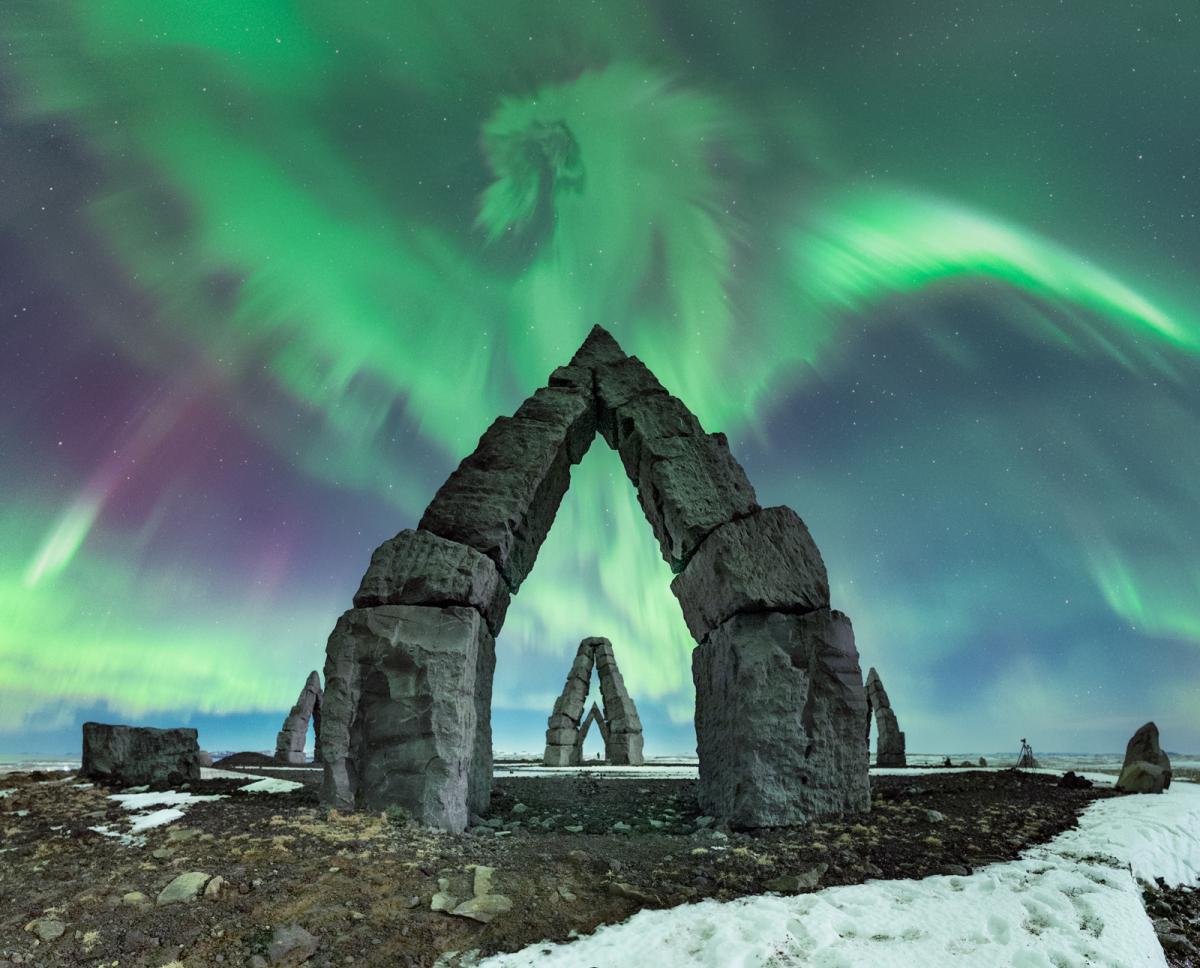
I like that they don't have just one image loaded up and ready to go for each letter.This is kind of neat!
Unearthed during an archaeological dig in the lower Wadi el-Makkuk region north of Jerusalem, the ancient seed was determined to be in pristine condition. But the scientists conducting the new research weren’t able to identify the type of tree from the seed alone. The team, led by Dr. Sarah Sallon, a physician who founded the Louis L. Borick Natural Medicine Research Center at Hadassah University Medical Center in Jerusalem, planted the seed to further investigate more than a dozen years ago.
Sallon said it was possible that the tree could be the source of the biblical “tsori,” a medicinal plant extract associated with the historical region of Gilead north of the Dead Sea in the Jordan Rift Valley, a mountainous and forested area that was intensely cultivated and is now part of Jordan.


As funny as this is on paper, this actually is a very important discovery. Probably will tell us a lot about that dinosaur's diet and digestive track.


And possibly if they had anal sex.As funny as this is on paper, this actually is a very important discovery. Probably will tell us a lot about that dinosaur's diet and digestive track.



Chuck Tingle is probably already at work on his next novel. Guess the topic!And possibly if they had anal sex.


Also, what person in their right mind would keep bullet ants as pets?Police in Peru have arrested a man caught trying to leave the country with 320 tarantulas, 110 centipedes and nine bullet ants strapped to his body.
The 28-year-old South Korean national was stopped at Jorge Chávez International Airport in Lima on November 8 after officials noticed that his stomach area looked “bulky,” according to a statement from the country’s national forestry and wildlife service, SERFOR, published November 13.


 www.iflscience.com
Still going, but it isn't even close to how it was. When I made that earlier post, at the current camera FOV, the top of the lava fountain was out of frame. I should've taken some screenshots.Damn, it didn't look like that when I was there.
 arstechnica.com
A longstanding scientific belief about a link between cancer prevalence and animal body size has tested for the first time in our new study ranging across hundreds of animal species.
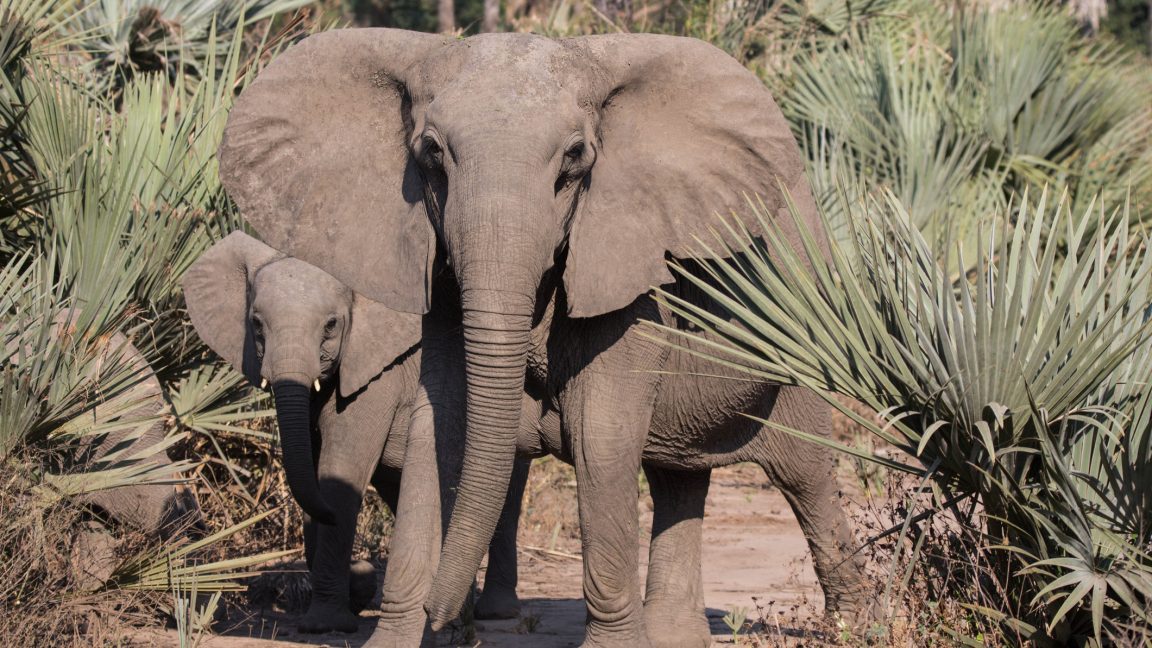
If larger animals have more cells, and cancer comes from cells going rogue, then the largest animals on Earth—like elephants and whales—should be riddled with tumours. Yet, for decades, there has been little evidence to support this idea.
Many species seem to defy this expectation entirely. For example, budgies are notorious among pet owners for being prone to renal cancer despite weighing only 35 g. Yet cancer only accounts for around 2 percent of mortality among roe deer (up to 35 kg).
As they say, more at the link.Peto’s paradox is that bigger, longer-lived species should have higher cancer prevalence, yet they don’t seem to. Back in 1977, Professor Sir Richard Peto noted that, on a cell-by-cell basis, mice seem to have much higher susceptibility to cancer than humans. This has led to speculation that larger species must have evolved natural cancer defenses.
Several examples of these cancer defenses have since been identified. For example, Asian elephants, a species with notably low cancer prevalence, have over 20 copies of a tumour suppressor gene (TP53) compared to our own lone copy. However, scientists are yet to find broader evidence across a range of animal species.
Our new study challenges Peto’s paradox.