


bubblesort
Well-known member
- Joined
- Nov 16, 2018
- Messages
- 1,990
Everybody here, who ever did SCA, mentally said to themselves, "that was light!" and smirked when we saw this post.
Everybody here, who ever did SCA, mentally said to themselves, "that was light!" and smirked when we saw this post.


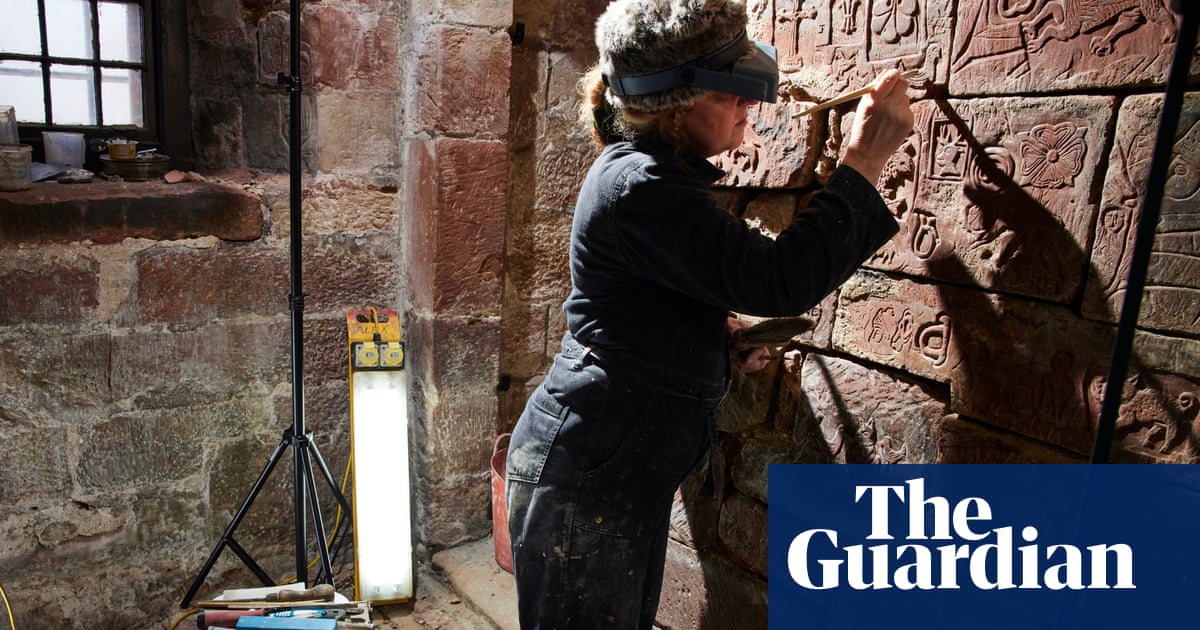
 www.theguardian.com


 www.atlasobscura.com
On November 23 [2015], music service Rdio, the first smartphone-era music streaming service to try to crack the U.S. market, began winding down after five years of struggling to attract paying subscribers.
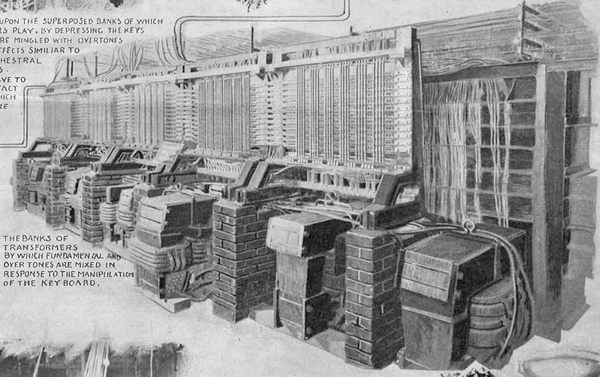
Rdio, however, was not the first service to allow American subscribers to stream music from their phones. That honor goes to the telharmonium, the first patent for which was granted in 1897. It was, essentially, a Victorian Spotify.
Invented by lawyer Thaddeus Cahill and initially known as the dynamophone, the telharmonium made use of telephone networks to transmit music from a central hub in midtown Manhattan to restaurants, hotels, and homes around the city. Subscribers could pick up their phone, ask the operator to connect them to the telharmonium, and the wires of their phone line would be linked with the wires emerging from the telharmonium station. The electrically generated tunes would then stream from their phone receiver, which was fitted with a large paper funnel to help pump up the volume. (The electric amplifier had not yet been invented.)

 en.wikipedia.org


Now, if they paid their musicians better royalties, they were better than Spotify.The Telharmonium Was the Spotify of 1906
It's a tumultuous time for streaming music services. One of the year's biggest albums, Adele's 25, was released on November 20, but not made available on...
Telharmonium - Wikipedia
 www.bbc.co.uk


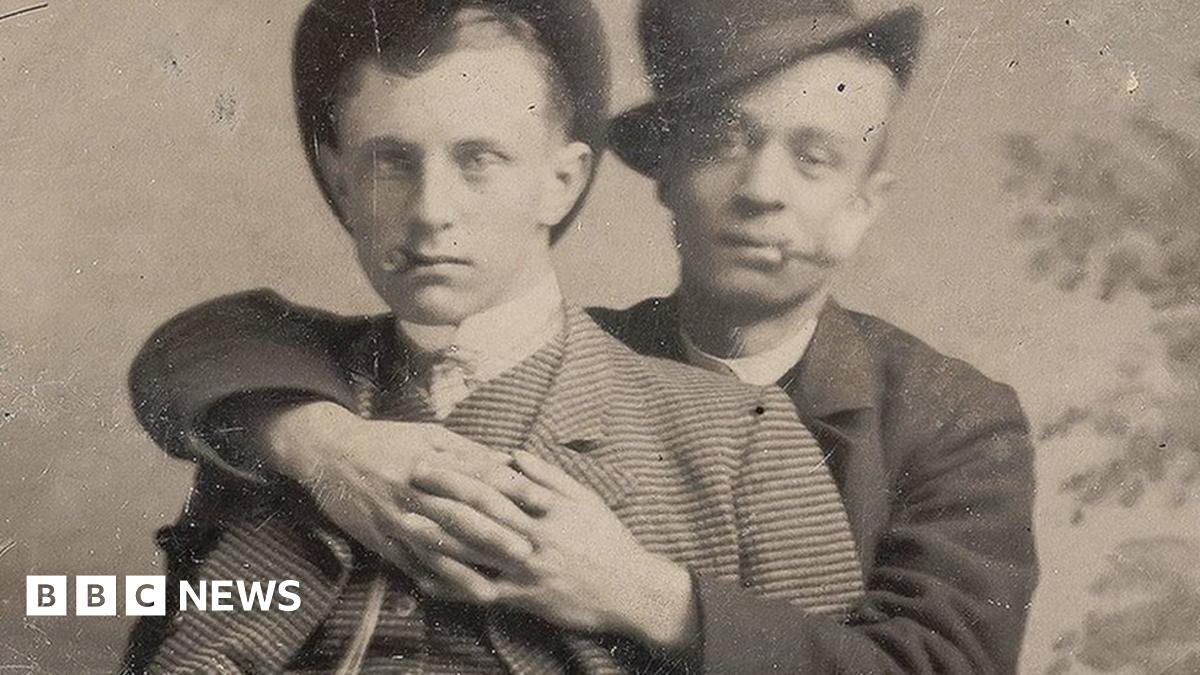
It's so reassuring to see current themes of gender fluidity and queerness reflected back through history. Thank you, Innula.The LGBT history you probably didn't learn in school
Experts say a focus on minority groups in education would give us a better knowledge of our society.


 www.theguardian.com

 stonehengeskyscape.co.uk
 www.theguardian.com


 www.popsci.com

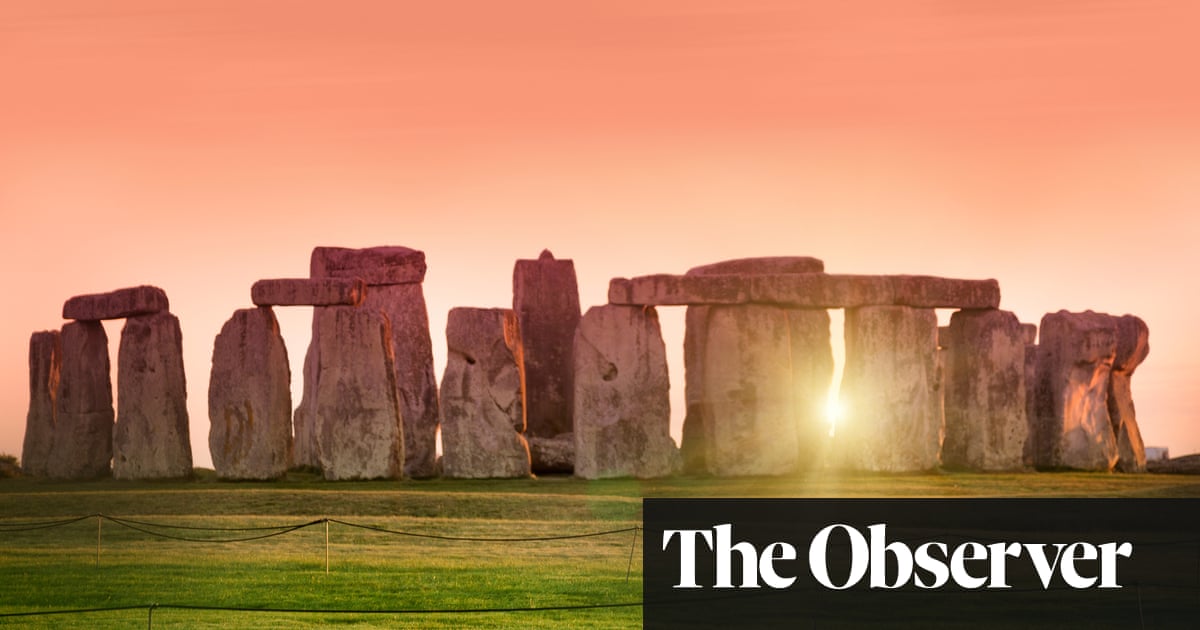
A 5,000-year-old “talismanic” chalk sculpture found in the grave of three children has been hailed as the most significant prehistoric art find in Britain for a century. [....]
Wilkin said the 2015 excavation, during a routine planning process, had also unearthed a “human” story that transcended archaeology.
The two youngest children had been placed in the grave touching or holding hands, while the eldest was holding both of them. The drum, which had three holes in it, possibly marking the number of bodies, was above the eldest’s head.
More photos and details hereA polished bone pin, which may have been used for a now disintegrated shroud, was also discovered along with a chalk ball thought to have been a child’s toy. The bodies had been covered with a dusting of chalk before the grave was filled in.
Wilkin said that while child sacrifice could not be ruled out, it was unlikely given the “very personal” way the bodies had been placed. “There is something protective about these objects. It is almost like they are protecting the vulnerable young child. There is maybe something talismanic about them.
 www.bbc.co.uk

They did it by hand? There are machines for that.

The "by hand" part is probably the joining of panels and not the formation of panels of chain mail.They did it by hand? There are machines for that.
(hope you are feeling better, Free)
Though, honestly, Euro 4-1 is a fast enough eave, and with good mailers, would probably be as fast.The "by hand" part is probably the joining of panels and not the formation of panels of chain mail.

 acoup.blog


