- Joined
- Sep 22, 2018
- Messages
- 42,464
- Location
- Moonbase Caligula

- SL Rez
- 2008
- Joined SLU
- 2009
- SLU Posts
- 55565
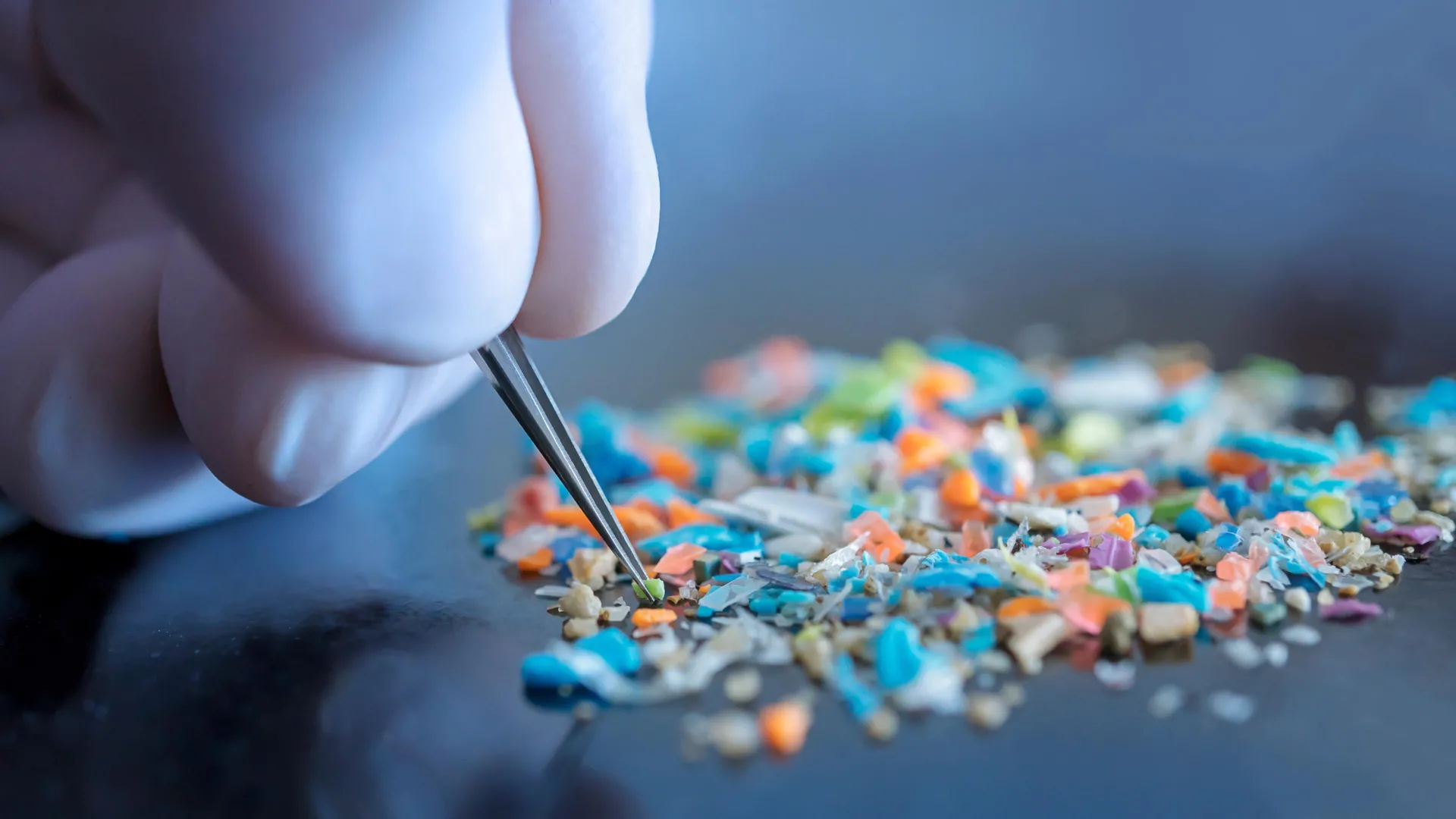
Obviously microplastics exist, but are they as invasive as many are claiming? They're said to have found nearly everywhere now, from the remotest regions on Earth, to inside our blood and tissues.
Recent reports, however, bring some suspicion to claims of just how bad things really are.
‘A bombshell’: doubt cast on discovery of microplastics throughout human body
In any case, I can't say prevention isn't a worthwhile endeavor.
Microplastics Are Everywhere. Here’s How to Avoid Eating Them.
Recent reports, however, bring some suspicion to claims of just how bad things really are.
‘A bombshell’: doubt cast on discovery of microplastics throughout human body
High-profile studies reporting the presence of microplastics throughout the human body have been thrown into doubt by scientists who say the discoveries are probably the result of contamination and false positives. One chemist called the concerns “a bombshell”.
Studies claiming to have revealed micro and nanoplastics in the brain, testes, placentas, arteries and elsewhere were reported by media across the world, including the Guardian. There is no doubt that plastic pollution of the natural world is ubiquitous, and present in the food and drink we consume and the air we breathe. But the health damage potentially caused by microplastics and the chemicals they contain is unclear, and an explosion of research has taken off in this area in recent years.
Part of the problem might be our very own research instruments acting as a vector for contamination.However, micro- and nanoplastic particles are tiny and at the limit of today’s analytical techniques, especially in human tissue. There is no suggestion of malpractice, but researchers told the Guardian of their concern that the race to publish results, in some cases by groups with limited analytical expertise, has led to rushed results and routine scientific checks sometimes being overlooked.
Scientists shocked to find lab gloves may be skewing microplastics data
Scientists may have been unknowingly inflating microplastics pollution estimates, and the surprising source could be their own lab gloves. A University of Michigan study found that common nitrile and latex gloves release tiny particles called stearates, which closely resemble microplastics and...
www.sciencedaily.com
In any case, I can't say prevention isn't a worthwhile endeavor.
Microplastics Are Everywhere. Here’s How to Avoid Eating Them.