Argent Stonecutter
Emergency Mustelid Hologram
- Joined
- Sep 20, 2018
- Messages
- 7,367
- Location
- Coonspiracy Central, Noonkkot

- SL Rez
- 2005
- Joined SLU
- Sep 2009
- SLU Posts
- 20780


True, but until that happens it does seem to care a lot for the baby.TCP is more like tossing the baby and you have a spare baby to toss if the first one doesn't make it.
Nah, it just throws a lot of babies. It can have dozens of babies in the air before it realizes it need to start tossing backup babies.True, but until that happens it does seem to care a lot for the baby.
But it lovingly glues it back together. Mostly.Unless the baby is the whole file, in which case it's dismembering them and gluing them back together at the other end.

 www.popsci.com
A software engineer’s earnest effort to steer his new DJI robot vacuum with a video game controller inadvertently granted him a sneak peak into thousands of people’s homes.
Companies that allow for this level of stupid in their products should be fined out out business, somehow.While building his own remote-control app, Sammy Azdoufal reportedly used an AI coding assistant to help reverse-engineer how the robot communicated with DJI’s remote cloud servers. But he soon discovered that the same credentials that allowed him to see and control his own device also provided access to live camera feeds, microphone audio, maps, and status data from nearly 7,000 other vacuums across 24 countries. The backend security bug effectively exposed an army of internet-connected robots that, in the wrong hands, could have turned into surveillance tools, all without their owners ever knowing.


Here's a disturbing thought -- as if we needed more of those: DJI is the biggest maker of all sorts of quadcopter drones. What are the chances that those are more secure than their vacuum cleaners?Secure our robot vacuums? But why would we need to do that?
Man accidentally gains control of 7,000 robot vacuums
Sammy Azdoufal just wanted to steer his DJI Romo with a gaming controller.
Companies that allow for this level of stupid in their products should be fined out out business, somehow.


 bsky.app
That's what I was thinking.Here's a disturbing thought -- as if we needed more of those: DJI is the biggest maker of all sorts of quadcopter drones. What are the chances that those are more secure than their vacuum cleaners?
 futurism.com

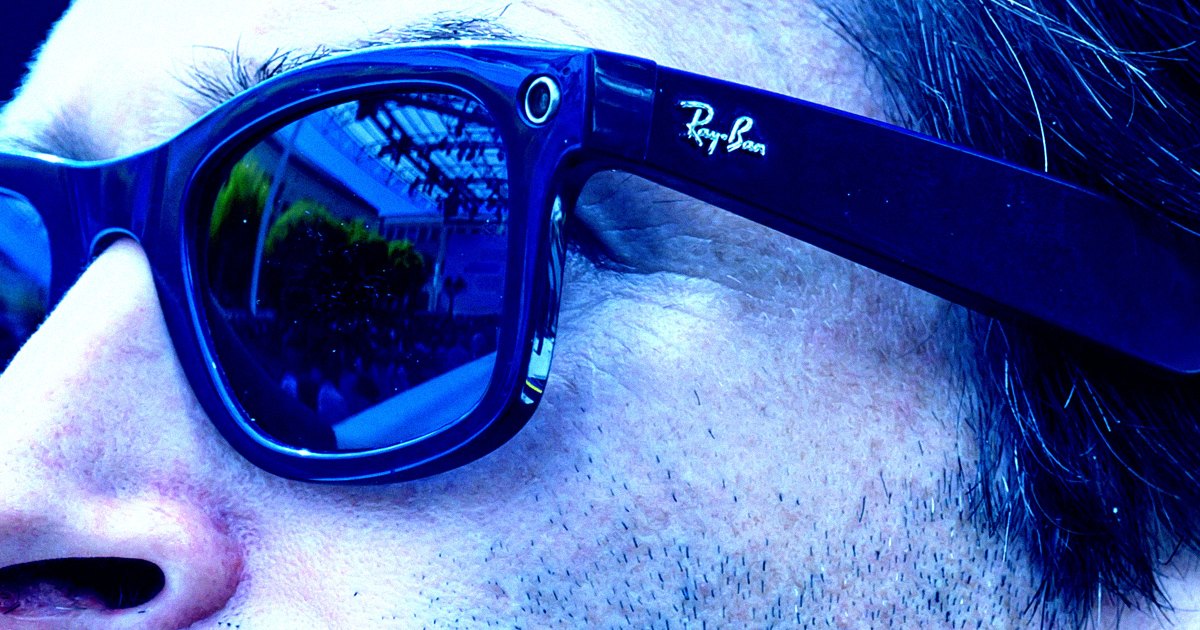
There are various weaknesses (paraparesis, etc.) where this could be ... well, cumbersome but useful if it actually helps support the person.I look at this and can only wonder who it's meant for.
It obviously does nothing of the sort.There are various weaknesses (paraparesis, etc.) where this could be ... well, cumbersome but useful if it actually helps support the person.
Easy-to-install solar panels that plug into a regular outlet are getting attention just as Americans are worried about rising energy costs. That's because these plug-in or balcony solar panels start shaving off part of a homeowner's or renter's utility bill right away.
"A year ago, nobody was talking about this," says Cora Stryker, co-founder of Bright Saver, a California nonprofit group that advocates for plug-in solar. The panels are already popular in Germany, where more than 1.2 million of the small plug-in systems are registered with the German government.
For the panels to become more widely available in the U.S., state lawmakers are proposing bills that eliminate complicated utility connection agreements, which are required for larger rooftop solar installations and, most utilities say, should apply to plug-in solar too. Those agreements, along with permitting and other installation costs, can double the price of solar panels.
Utah enacted the first law, last May, supporting plug-in solar, and now some 30 pieces of similar legislation have been introduced around the United States. But the drive toward plug-in solar is facing pushback from electric utilities. They are raising safety concerns and prompting legislators to delay votes on the bills. So far, utilities have won over lawmakers in five states and convinced them to delay votes on plug-in solar bills.


I do wonder if the panels generate enough energy that the plug would be harmful while exposed, since it sounds like it just plugs in then trickles energy in.Um, what, a solar panel connected to the house with a suicide cord? Yeh, I can see why that would get push-back.
Though its not clear. But it sounds like this bit applies to traditional solar set ups as well. Is it trying to eliminate agrrements about still paying some lower rates and BS like "can't generate more than you use"? Or is it trying to eliminating actual safrty things like cut off transfer switches when the power goes out? Which also applies to home generstors.For the panels to become more widely available in the U.S., state lawmakers are proposing bills that eliminate complicated utility connection agreements, which are required for larger rooftop solar installations and, most utilities say, should apply to plug-in solar too. Those agreements, along with permitting and other installation costs, can double the price of solar panels.