- Joined
- Sep 22, 2018
- Messages
- 43,431
- Location
- Moonbase Caligula

- SL Rez
- 2008
- Joined SLU
- 2009
- SLU Posts
- 55565


That was clear from the beginning. Developing a revolutionary new vaccine is one, but creating enough capacity to produce enough vaccines for a worldwide demand is something totally different.


tl:drNotes on the New UK COVID Variant
You’ve probably seen a flurry of news about this new variant of the COVID virus spreading in the United Kingdom....talkingpointsmemo.com
There is significant evidence that this variant is more transmissible. But that evidence isn’t conclusive. The people who know what they’re talking about are pretty clear that we just don’t have enough evidence to know either way. What does seem a little more clear to me than it did yesterday is that we should be pretty confident that this is not going to be a game changing development either in terms of infection acquired immunity or the vaccines that are now rolling out around the United States and the world.
 www.timesofisrael.com

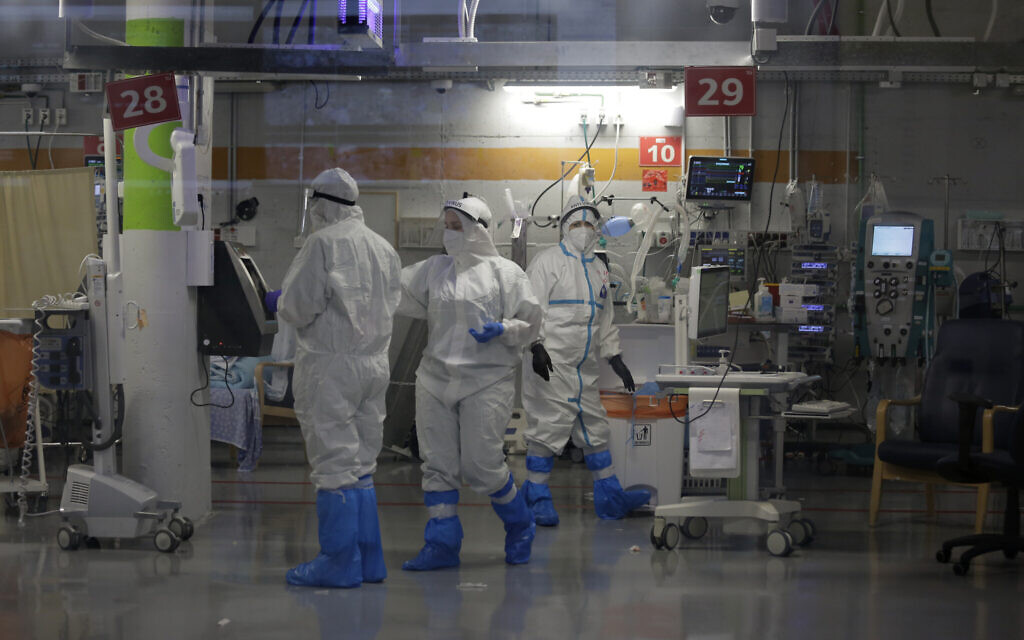
Why do so many people insist on traveling around the globe during this pandemic?



 www.theguardian.com
On Jan. 13, the World Health Organization had made public a recipe for how to configure such a test, and several countries wasted no time getting started: Within hours, scientists in Thailand used the instructions to deploy a new test.
The CDC would not roll out one that worked for 46 more days.



 www.medrxiv.org
The role of climate in the population dynamics of COVID-19 remains poorly understood, and a true seasonal signature has remained elusive. Data from both hemispheres and the second wave provide opportunities to further examine climatic drivers. With a statistical method designed to detect transitory associations, we show consistent negative effects of temperature and absolute humidity at large spatial scales. At finer spatial resolutions we substantiate these connections during the seasonal rise and fall of COVID-19. Strong disease responses are identified between 12-18°C for Temperature and 4-12 g/m3 for Absolute Humidity. These results classify COVID-19 as a seasonal low-temperature infection, and point to the airborne pathway as an important contribution to transmission for SARS-CoV-2, with implications for control measures we discuss.
 www.theguardian.com

 www.statnews.com
Three-quarters of Covid-19 patients still have at least one symptom six months after first falling ill, researchers who followed hospital patients in China reported Friday. The new findings suggest symptoms linger longer and in a higher proportion of patients than previously thought.
The largest and longest analysis to date of post-Covid recovery also warns that some patients’ antibody levels fell sharply, raising concern that while waiting for a return to full health, they could be reinfected with the coronavirus.
Almost two-thirds of the patients said they were still suffering from fatigue and muscle weakness, the researchers wrote in The Lancet. A little over a quarter had difficulty sleeping, and a little under a quarter experienced anxiety and depression. Overall, more women than men reported lingering symptoms, and people whose disease was more severe had poorer lung health. Their median age was 57.
 www.nature.com
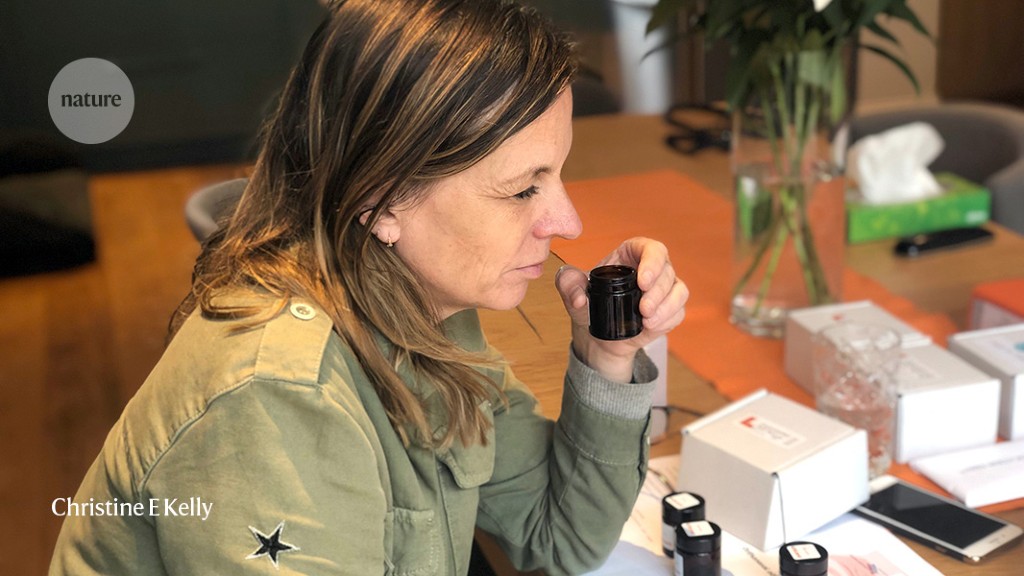
Early in the COVID-19 pandemic, it emerged that many people infected with the SARS-CoV-2 virus were losing their sense of smell — even without displaying other symptoms. Researchers also discovered that infected people could lose their sense of taste and their ability to detect chemically triggered sensations such as spiciness, called chemesthesis.
Almost a year later, some still haven’t recovered these senses, and for a proportion of people who have, odours are now warped: unpleasant scents have taken the place of normally delightful ones. Nature surveys the science behind this potentially long-lasting and debilitating phenomenon.